




 See other releases of corporate mass media
What diseases do today’s humans suffer from?
During the IV International Conference titled “Doctor - Patient - Society: Immunology, Physiology, Genetics, Bioinformatics and Public Health” held at Ural State University of Economics, Academician Valery Chereshnev, deputy president of the Russian Academy of Sciences, chief researcher at the Institute of Immunology and Physiology of the Ural Branch of RAS, head of the Institute of Human Being at Ural State University of Economics, Doctor of Medical Sciences, spoke about the concept of unified health, the role of immunity in the combat against diseases, and the challenges modern scientists are facing.
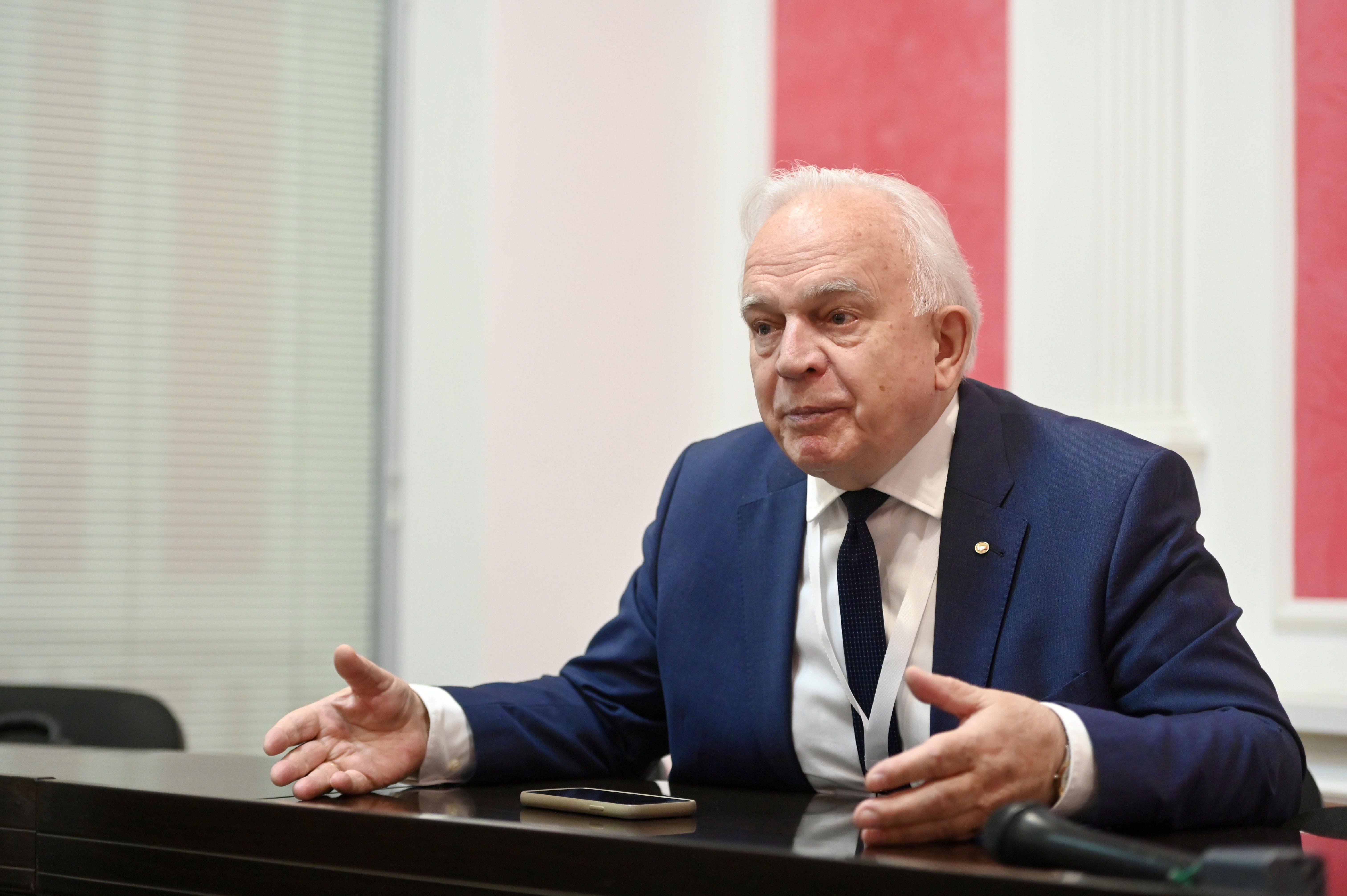
At the expert session, Valery Chereshnev presented the concept of unified health, which implies the interrelationship between humans, environment, animals and plants. According to the academician, careful protection of flora and fauna will prevent new outbreaks of diseases and further deterioration of human health.
“Today people face the so-called ‘diseases of civilization’: atherosclerosis, hypertension, diabetes. All these diseases are associated with an anthropogenic impact on the environment, as well as a sedentary lifestyle, and overeating,” explained the president of the Russian Society for Immunology.
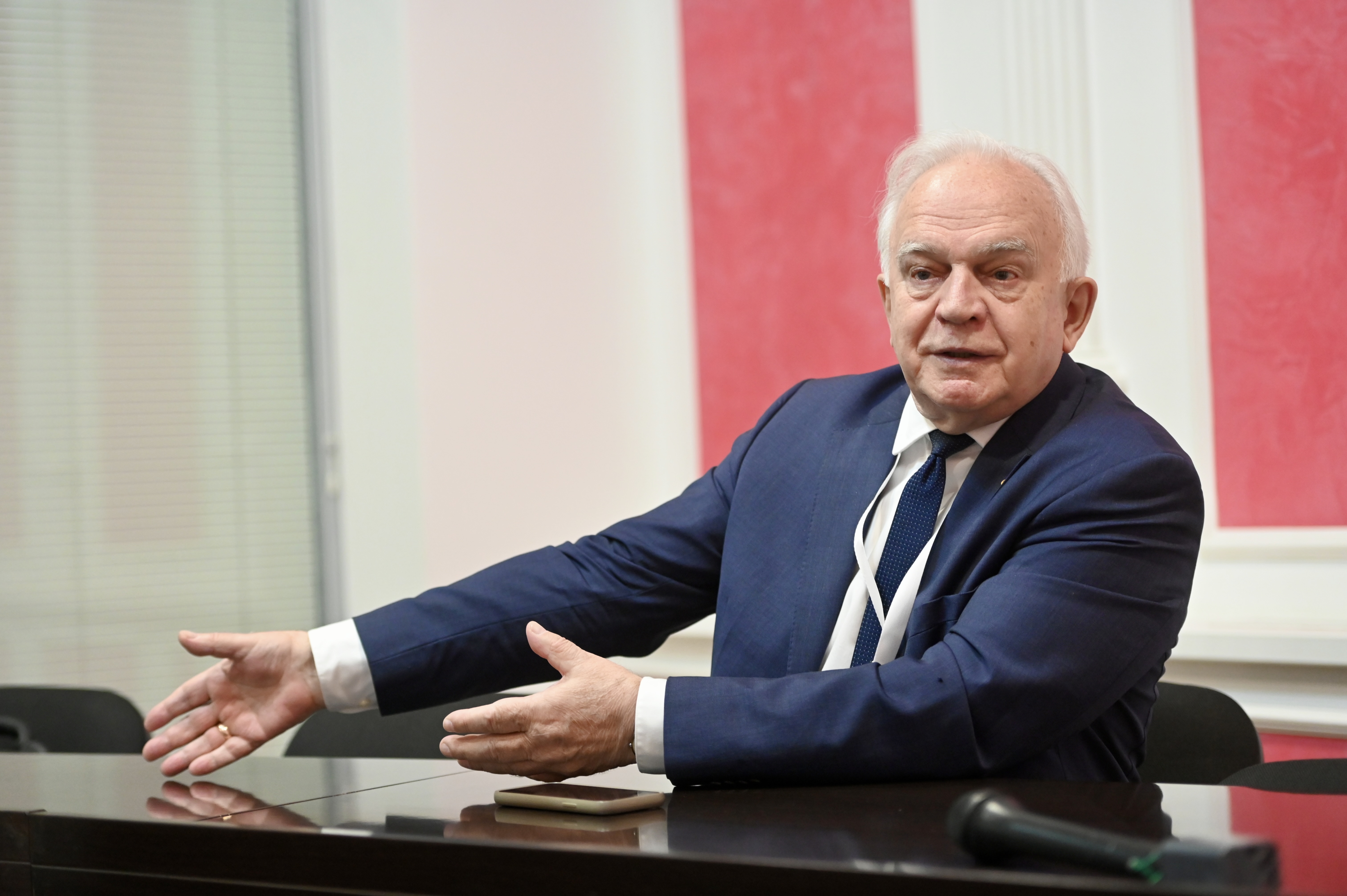
The academician thinks that the human immune system plays a key role in the fight against any disease.
“All diseases are immune-dependent, and inflammation triggers a chain reaction in the human body. There are three closely interconnected regulatory systems: nervous, endocrine, and immune, which participate in the inflammation's regulation process in the human body,” the scientist said.
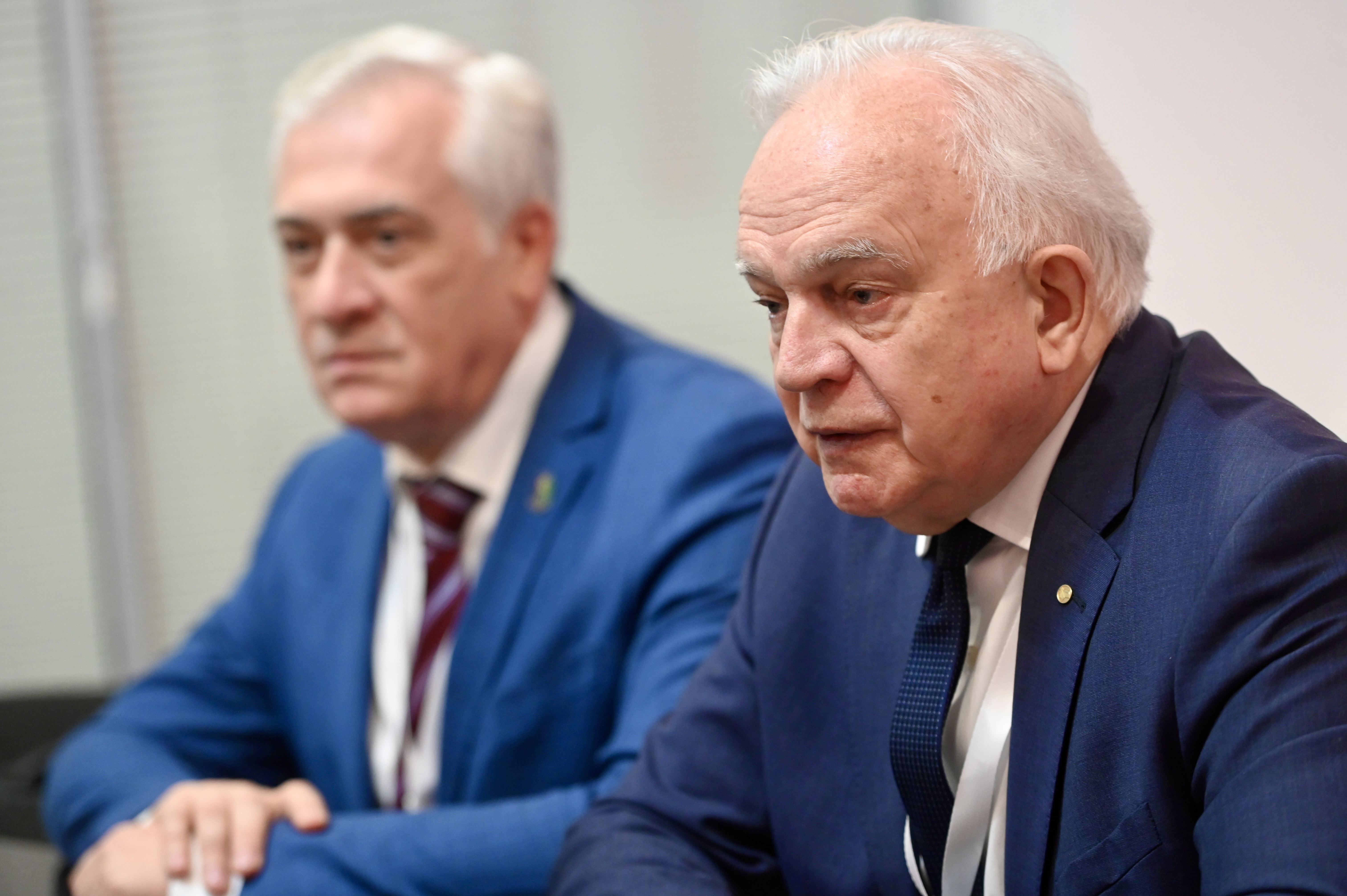
Seven medical and biological institutes under the Russian Academy of Sciences, including the Institute of Immunology and Physiology of the Ural Branch of RAS, are engaged in research into the symbiosis of bacteria, systemic inflammations, and the mechanisms of development of post-COVID syndrome. One of the key challenges today for immunologists is the uncontrolled use of antibiotics.
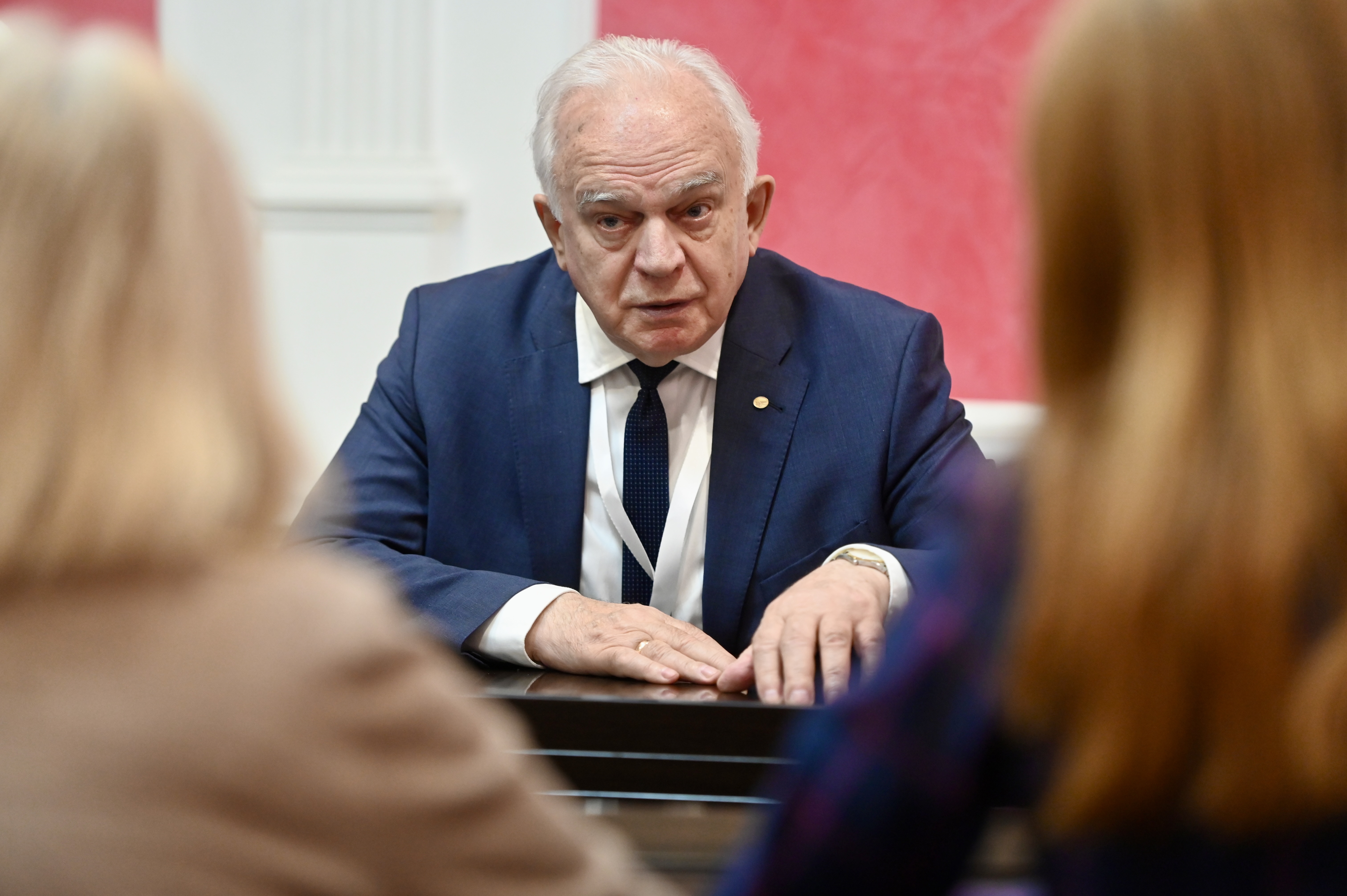
“Antibiotics can disrupt the balance of microorganisms leading to dysbacteriosis. They kill both pathogenic and efficient microbes and make the body more vulnerable to infections. In addition, the resistance to active substances develops, and scientists need to find new treatments," emphasized Valery Chereshnev.

The IV International Conference “Doctor - Patient - Society: Immunology, Physiology, Genetics, Bioinformatics and Public Health” is taking place at Ural State University of Economics on October 24 and 25. The conference participants are scientists, practicing physicians and teachers of specialized universities from 12 regions of Russia, the CIS countries, Iran and Turkey.


