




 See other releases of corporate mass media
Pressure does good!
A fourth-year student at Ural State University of Economics has developed a natural, high-protein drink. The new product’s unique feature is its processing method: high pressure, which replaces traditional thermal pasteurization. This method preserves the drink’s beneficial properties and extends its shelf life.

According to Svetlana Chukavina , a student at the USUE Department of Nutrition Technology, the drink is completely natural: it contains no artificial additives, and the high-pressure technology eliminates heating, preserving all the useful nutrients.
“High-pressure processing is a non-thermal technology for processing food and beverages that uses ultra-high hydrostatic pressure (100 to 6,000 bars) to inactivate pathogens and enzymes and extend shelf life. It is especially useful for high-protein beverages, as it preserves their nutritional properties, texture, flavor, and color without the use of heat or preservatives. During this process, protein is slightly destroyed (denatured), but the loss is only about one percent,” explained Svetlana Chukavina.
.jpg)
A single serving of the drink contains 20 grams of protein—the optimal amount for one meal. The product is based on whey protein isolate (87% pure), got from the whey remaining during producing cottage cheese and cheese.
The idea for a healthy product arose to address a pressing issue in healthy eating: getting the needed dietary protein. “High-protein foods are a popular trend. Healthy eating is rapidly developing, with government longevity programs and numerous sports initiatives. At the same time, many people’s diets lack protein, which is the body’s primary building block. Our drink helps fill this gap—and remains natural,” comments Svetlana Chukavina.

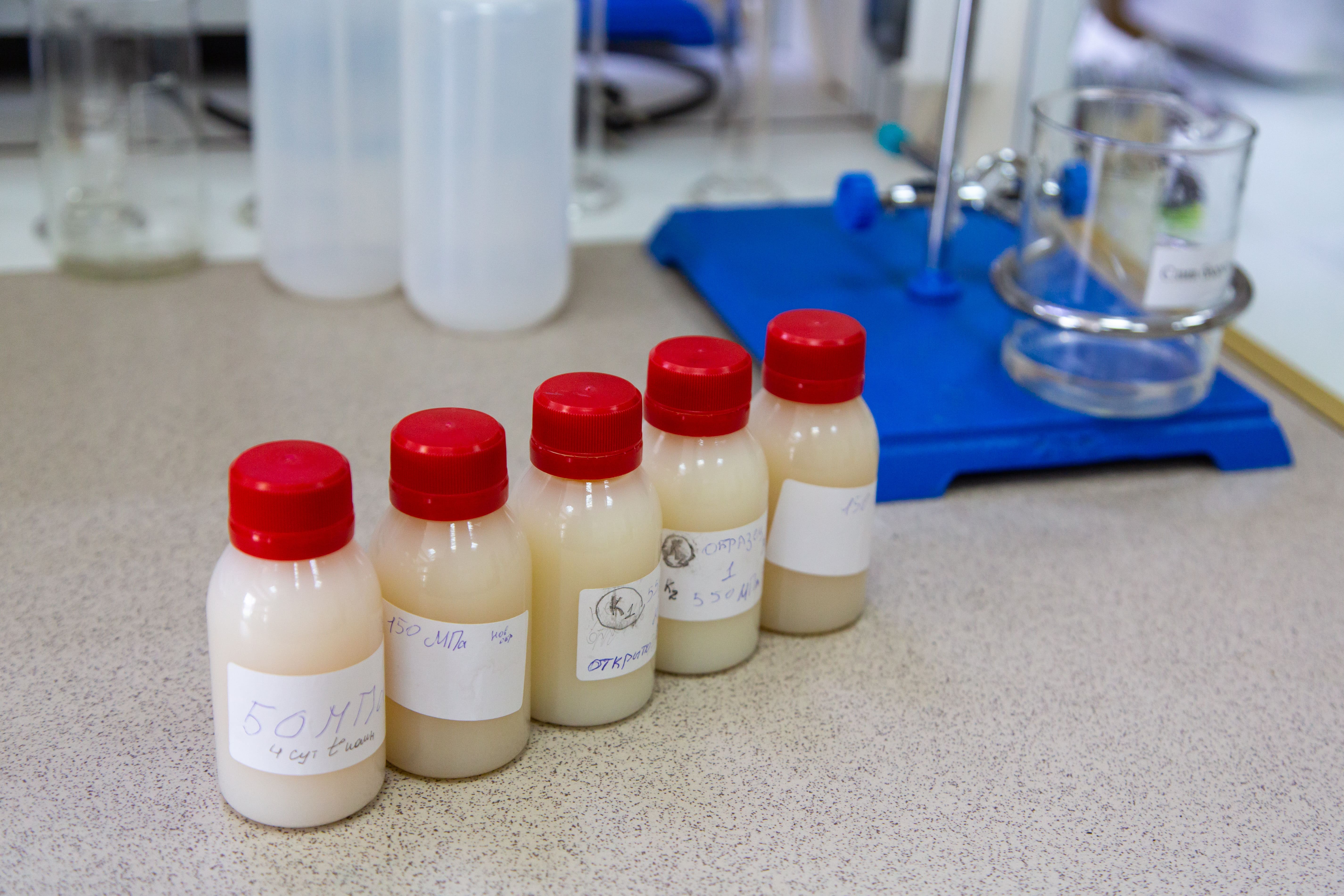
Olga Chugunova, academic advisor and head of the USUE Department of Nutrition Technology, emphasizes that healthy drinks using this technology are not yet available on the market: “Without pasteurization, a product spoils within 24 hours, as microflora grows. However, after processing at a pressure of 550 atmospheres, pathogenic microbial growth is not observed for a week, and the total shelf life at a temperature of 4±2 degrees Celsius can reach 14 days. There are currently no comparable products on the Russian market produced using this technology: most high-protein drinks are pasteurized.”
The drink also has other important advantages over its competitors. It differs from commercially available protein products, many of which are enriched with lactic acid bacteria, giving the product a fermented milk flavor and effectively classifying it as a fermented dairy product.
As the USUE student notes, not everyone likes this taste, and dairy products are less easily digested with age. That’s why a non-fermented drink has been developed. It keeps its valuable components: natural vitamins and minerals strengthen the immune system and promote healthy gastrointestinal function.
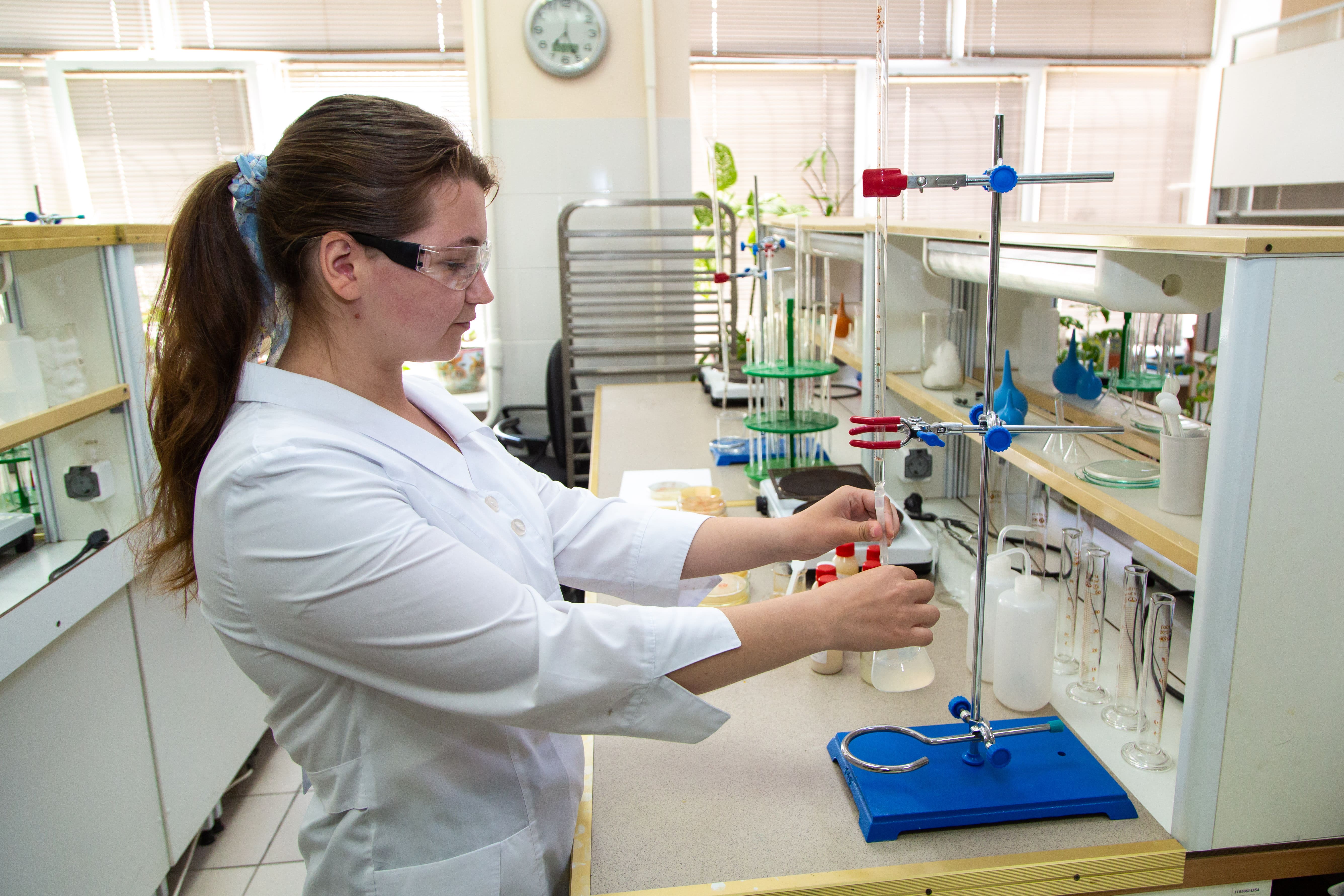
The development process lasted for about a year. At the start of the research project, the USUE student conducted a consumer survey: the audience wanted a vibrant, preferably tropical, flavor—and she took this into account when creating the product’s flavor profile. Natural fruit puree is added to the drink. The university studied the drink’s physicochemical parameters and organoleptic properties, while the Mikheev Institute of Metal Physics under the Ural Branch of the Russian Academy of Sciences conducted high-pressure processing studies using specialized equipment. Now the product’s cost is currently being calculated.
This research project is Svetlana’s graduation thesis. Her immediate plans include starting a master’s degree. There, she plans to continue her research, conduct preclinical trials, further explore packaging, advertising, and product promotion, and prepare the product for potential production.


