




 See other releases of corporate mass media
Scientific, useful, delicious!
The Department of Food Technology at the Ural State University of Economics hosted the defense of master's theses. This year, the event took on a unique format, where future masters not only presented the results of their research but also showcased the finished products developed during their hands-on learning experience.
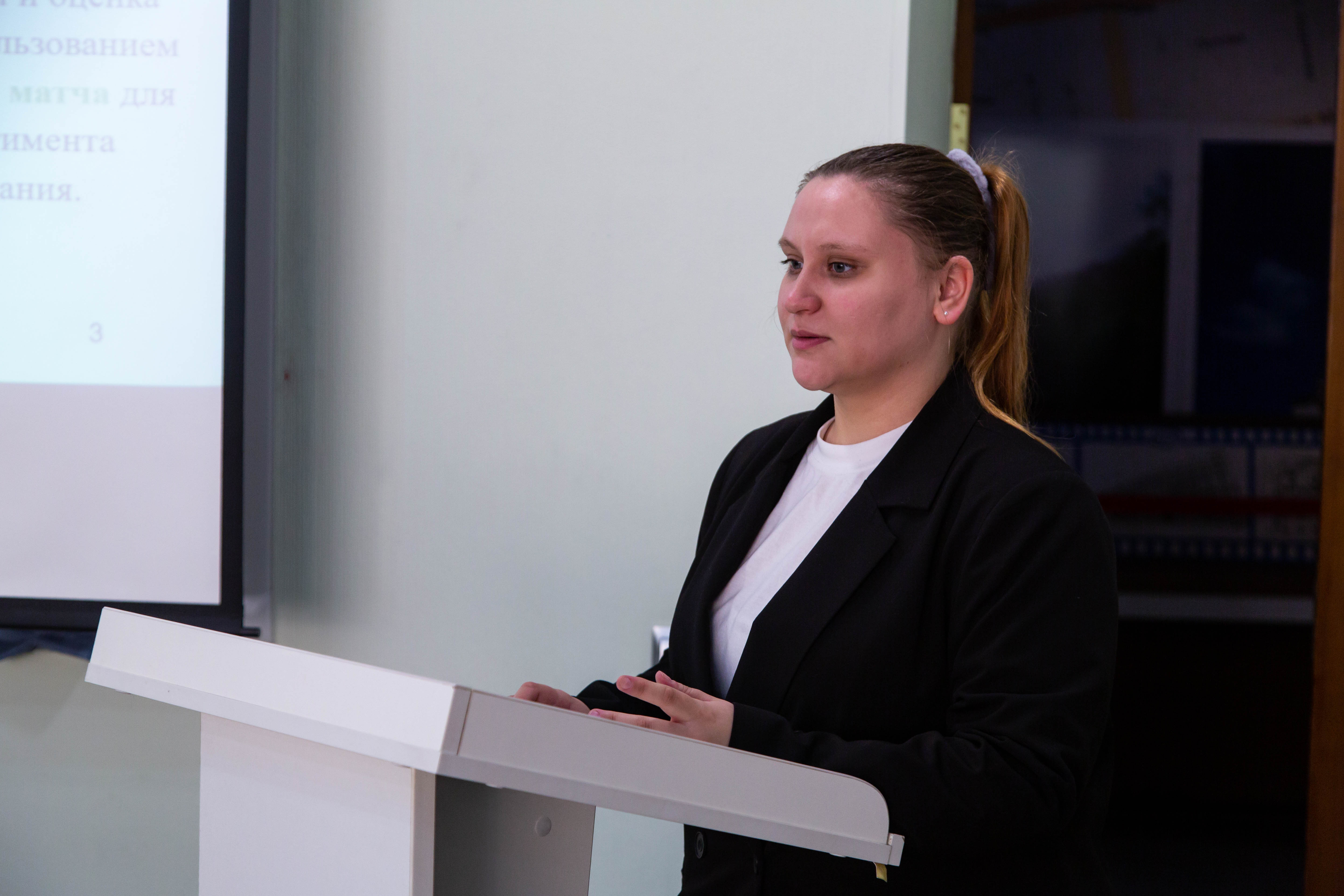
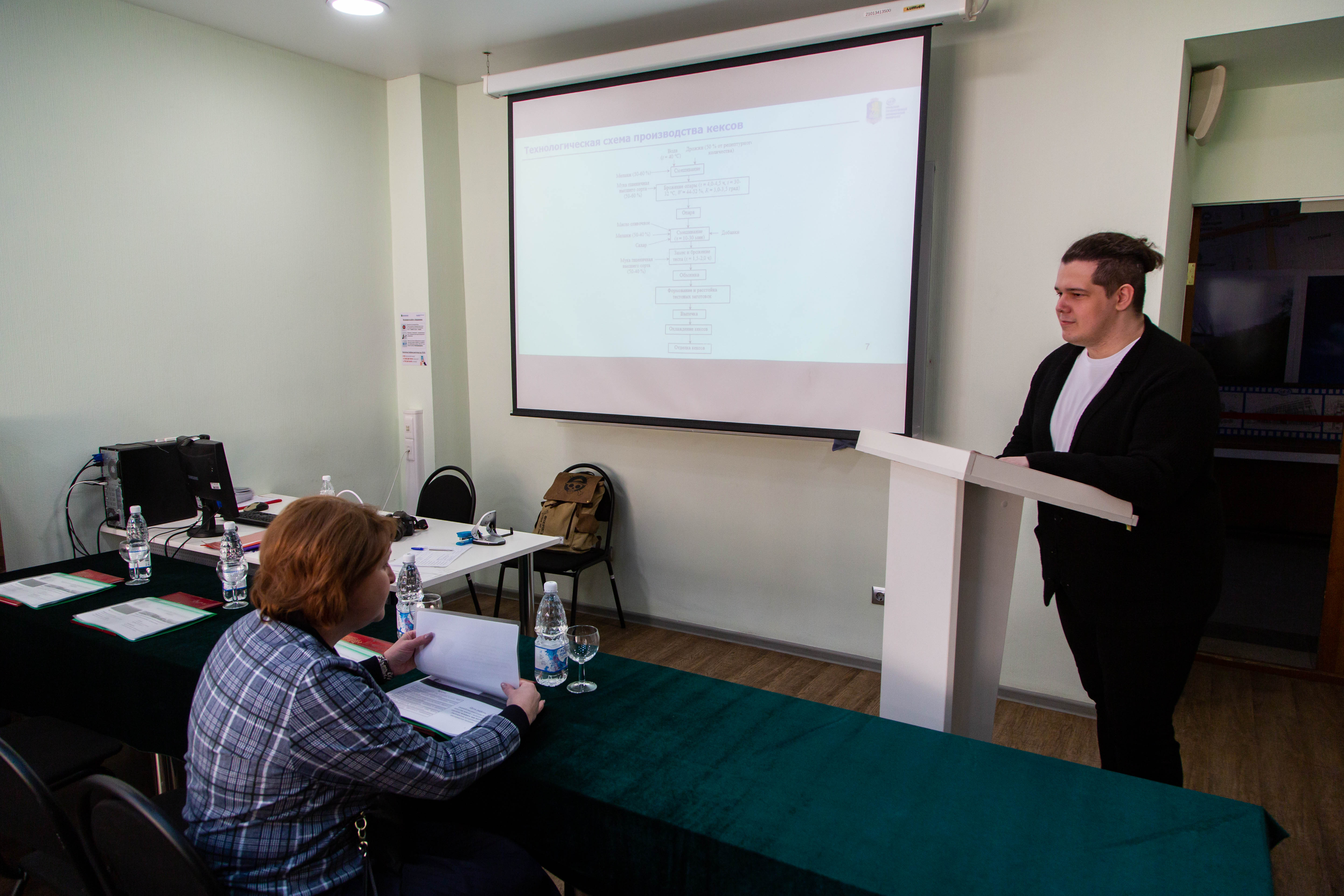
As part of the educational process, students had the opportunity to work on real production tasks, interact with industrial partners, and apply their knowledge to create innovative food products. This approach resulted in unique developments that the graduates presented for defense.
Among the projects presented are new types of products with specified properties, formulations using plant raw materials, and technologies aimed at import substitution and increasing the nutritional value of finished products.
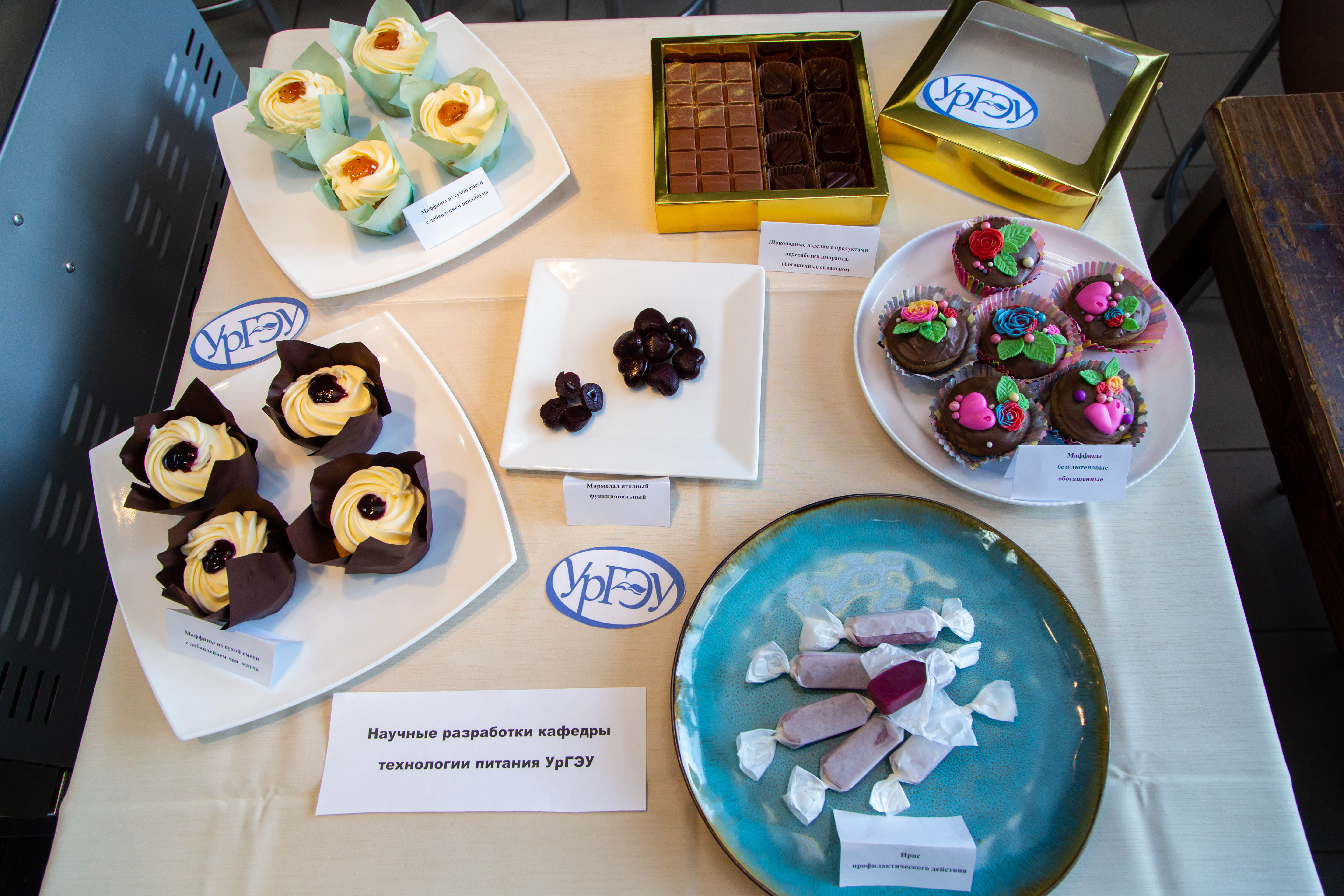
Among these new products are chocolate and amaranth-enriched candies that are enriched with squalene. Since squalene is found in amaranth oil, using this crop in confectionery products allows for the addition of valuable functional properties. Squalene is a powerful antioxidant that supports the immune system, improves skin elasticity, enhances blood circulation, and stimulates metabolism. Another interesting development is the inclusion of psyllium in muffins, which is the hull of plantain seeds. This ingredient is a valuable source of dietary fiber and has a positive impact on the human microbiome. Psyllium can replace gluten in baked goods, helping to achieve a porous dough structure that makes the finished products airy and light.


"We strive to ensure that our graduates leave the university not just with diplomas, but also with real competencies and ready-made products that can be in demand on the market. This year's defense has shown that the chosen development vector is the right one," said Olga Chugunova, Head of the Department of Food Technology at UrGEU.
Many of these developments have already received positive feedback from potential manufacturers and have been recommended for implementation at existing food industry enterprises.


