



 See other releases of corporate mass media
Contemporary challenges in the media industry
For the fourth year in a row, the 16th Eurasian Economic Youth Forum has hosted the Media Forum, bringing together leading representatives of international and Russian federal and regional media. This year, 60 experts joined the event.
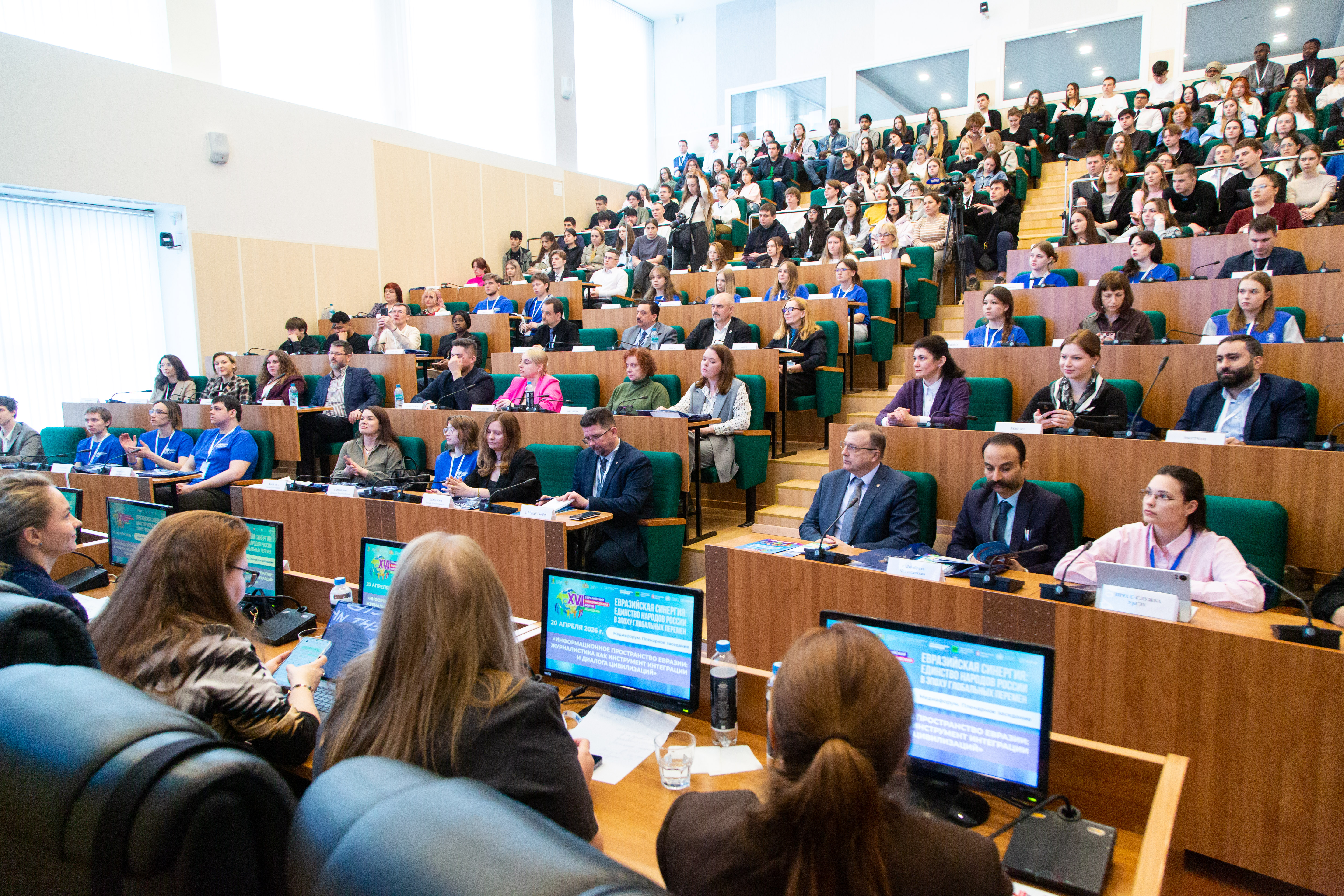
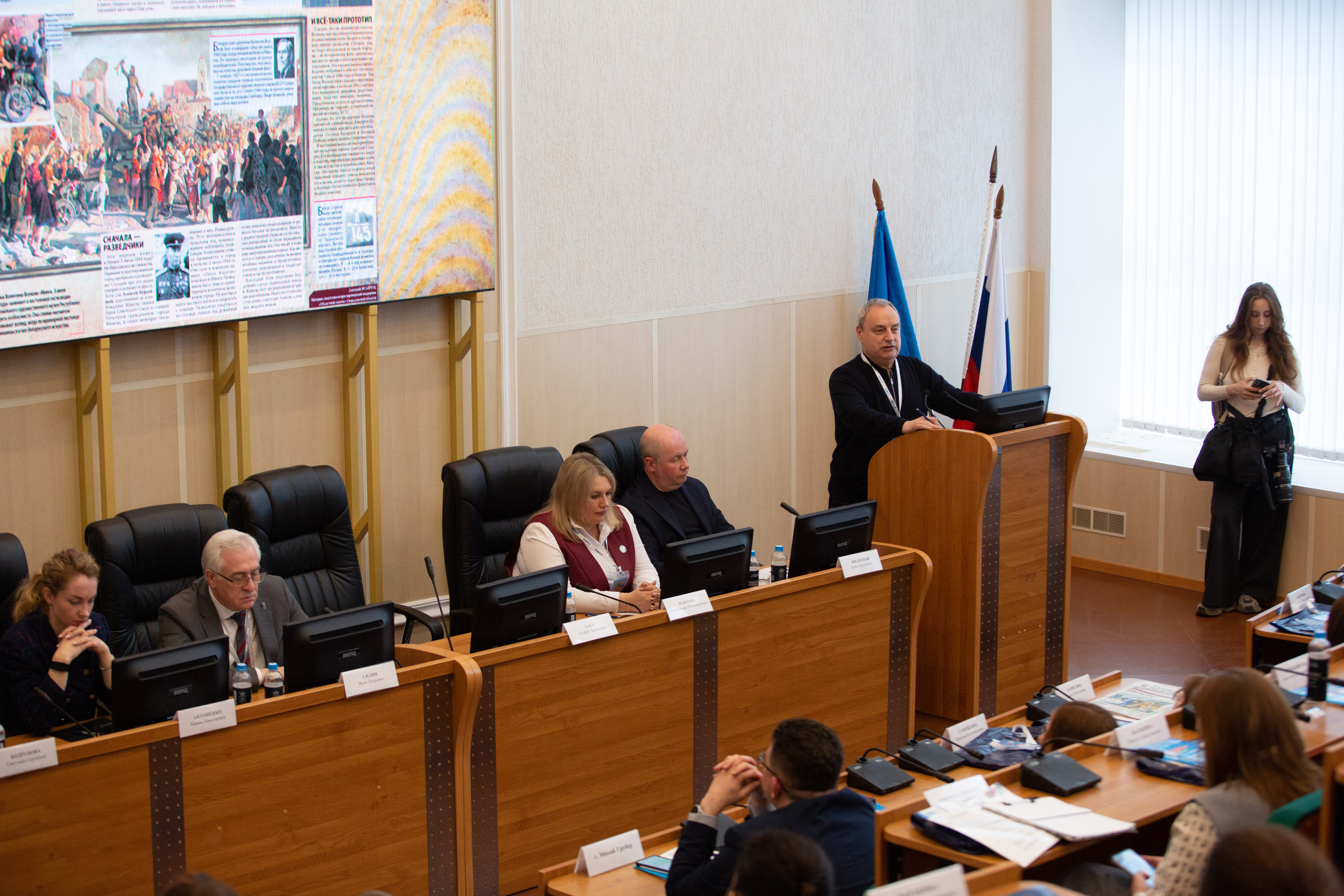
The theme of the 4th Media Forum was “The Information Space of Eurasia: Journalism as a Tool for Integration and Dialogue of Civilizations.” USUE acting rector Yakov Silin opened the large-scale media community meeting. He welcomed participants from Belarus, Kyrgyzstan, Serbia, and several Russian cities: Moscow, Vladivostok, St. Petersburg, Kazan, Khabarovsk, Salekhard, cities in the Donetsk People's Republic and the Kherson region, Yekaterinburg, Chelyabinsk, Tyumen, Nizhny Tagil, Surgut, and other cities in the Greater Ural.
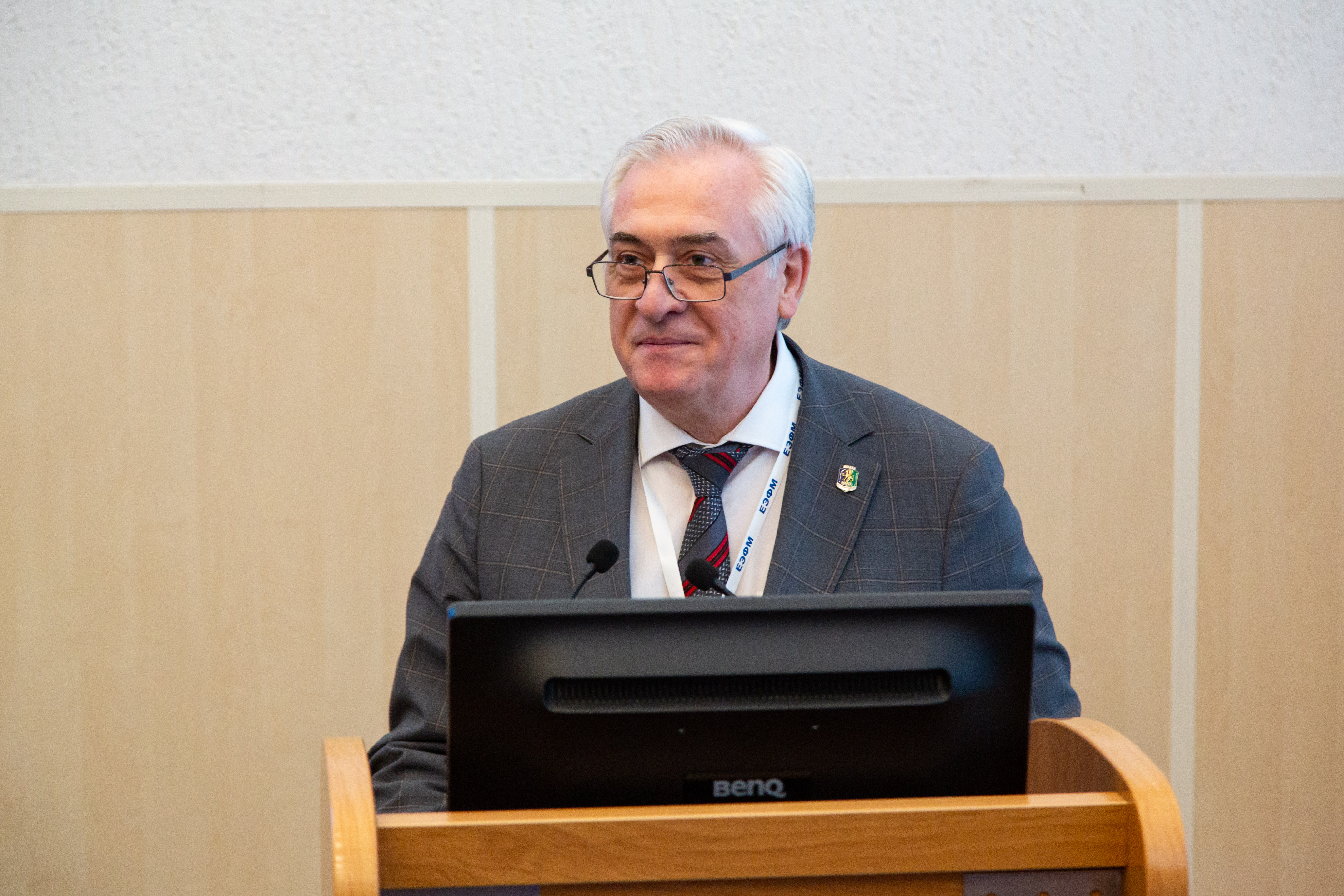
“Here, at the intersection of Europe and Asia, we are discussing economic development vectors and besides are shaping narratives that define the future of our common Eurasian home. Today, we are witnessing not just an evolution of threats—we are experiencing a quantum leap: a transition from traditional forms of confrontation to hybrid warfare, where the information space has become the key battlefield. Today, the journalistic profession is more than just a dissemination of facts. It is an intellectual mission that demands the highest responsibility,” Yakov Silin began the plenary session.
This year, media support for the Media Forum is provided by representatives of the international news channel RT, Komsomolskaya Pravda, Minsk-Novosti, Rossiyskaya Gazeta, Oblastnaya Gazeta, and other media outlets.
The head of the Raplety video agency in Russia and CIS, Maria Antonenko, emphasized the special role of video content in the multinational Eurasian region.
“We live in multinational regions on the Eurasian continent, where residents speak different languages. But there is one format that can be understood without translation—it is video,” the expert noted.
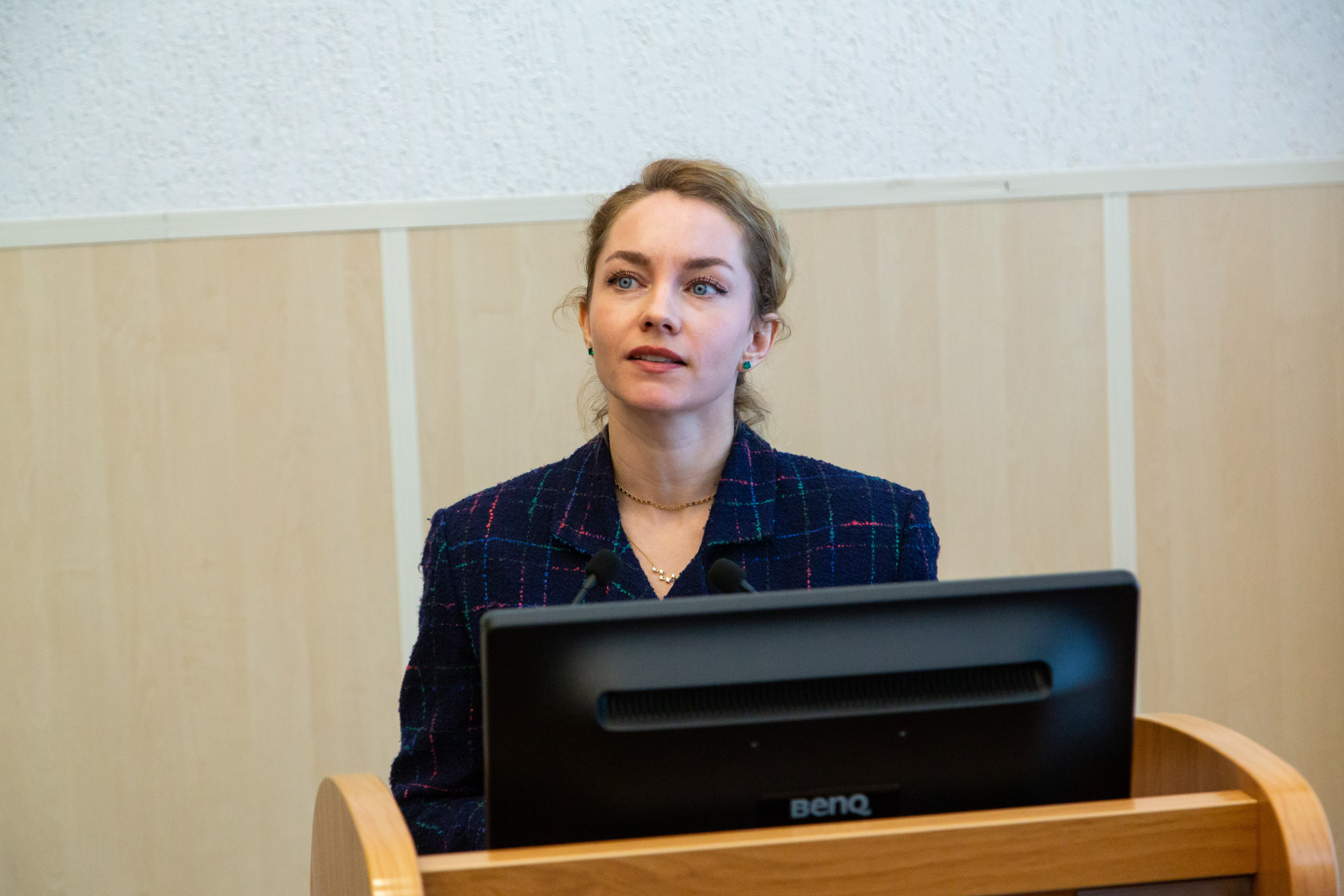
Maria Antonenko drew attention to society's total engagement with video content: “Today, it's hard to imagine media without video content. It's not just a part of our lives—it's the environment we inhabit. We live surrounded by screens: we wake up and look at our phone screen, we work on computers. Just imagine how much information flows through us every day, every minute! Today, social media has 5 billion users who actively create content.”
In her speech, the speaker also touched on the rapid changes in the media sphere and the associated challenges. According to Maria Antonenko, the modern world is changing at breakneck speed, and it's important to be able to adapt to these changes. Among the key challenges, the expert highlighted: the spread of fake news created using artificial intelligence, and the race for exclusives, in which media strive not only to be the first to report news but also to thoroughly verify information.
Alexandra Pavlova, a military observer for the Zvezda TV channel, spoke about the impact of fake news. She shared her experience working on the front lines. The journalist doesn't just cover events in special operations zones; she serves in the Russian Armed Forces and is an official participant in the Special Military Operation. The military correspondent discussed how information wars are waged in Eurasia, the challenges facing media representatives, and possible strategies for overcoming them.
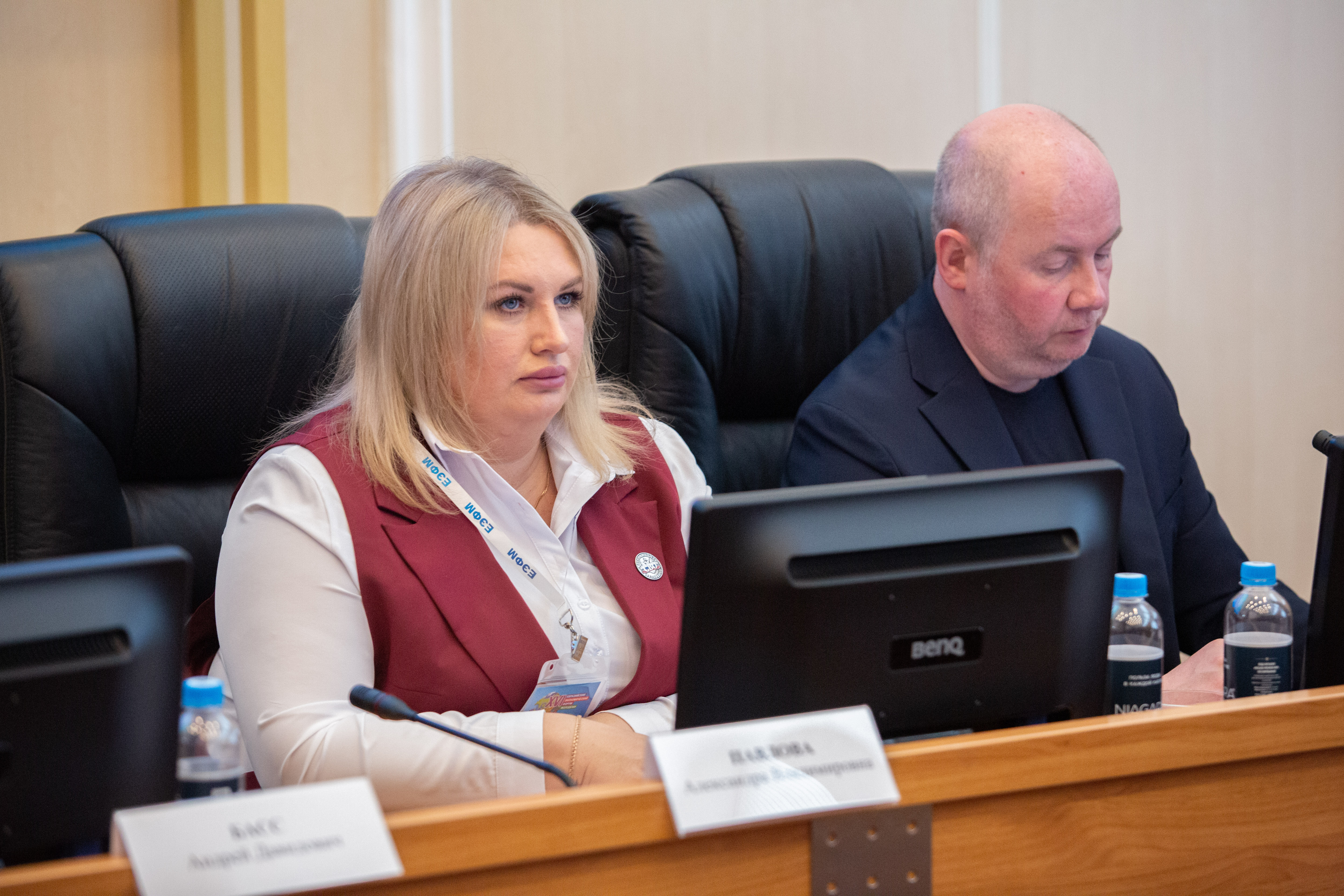
“Being a war correspondent has become physically dangerous both at the front and in the rear. I personally faced pressure from the enemy, and my family was subjected to death threats. My son received phone calls with false reports of my death. My son is already prepared for all this, so he found a way to respond,” Alexandra Pavlova shared with the audience.
Andrei Bass, First Deputy Director General of the Minsk-Novosti Agency, spoke about international integration in the media space and its importance: “The Russian Federation is currently going through difficult times,” the speaker noted. “For many years, attempts to exert pressure on it have been ongoing. When this cannot be achieved through direct means, plans arise to implement such intentions from within. I want to assure you: Russia is not alone on this front—the Union State of Belarus teams up with it.”
Maria Bazunova, General Director of Oblastnaya Gazeta, noted that her newspaper serves as a platform for dialogue among diverse nationalities and interfaith communication. Today, Oblastnaya Gazeta is a platform for dialogue not only between a wide variety of nationalities—and there are over 100 of them in the Sverdlovsk region—but also for interfaith dialogue. Systematic work based on respect for all representatives of the peoples living in the Urals is our small contribution to the integration we are discussing today,” Maria Bazunova emphasized.
Svetlana Bodrunova, professor of the Department of Mass Communications Management at St. Petersburg State University and head of the university's Center for International Media Studies, raised the issue of using artificial intelligence in journalism.
“Artificial intelligence is becoming a new infrastructure in journalism today,” the expert noted. “It influences the content production process and editorial collaboration. The main challenge is the narratives and quality of work. It's worth asking: what does journalistic standards mean and why are they important in today's reality?”
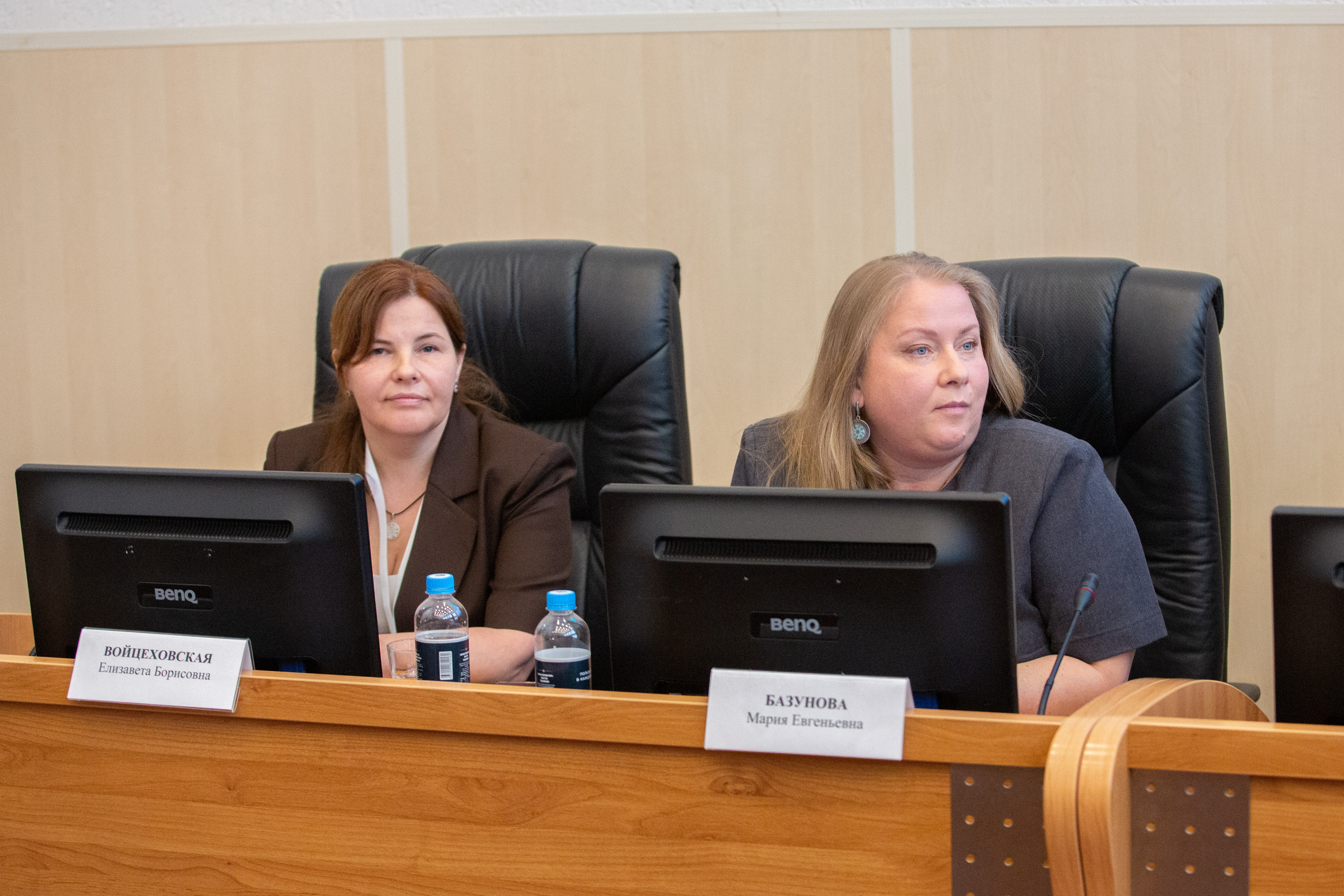
Elizaveta Voitsekhovskaya, editor-in-chief of the magazine All Industrial Regions of Russia, and Liliya Kharisova, deputy editor-in-chief of Kazanskie Vedomosti, also shared their journalistic experience.
Summing up the plenary session, USUE rector Yakov Silin thanked the speakers and invited journalists to participate in master classes led by leading media experts, which traditionally continued the Media Forum.


