



 See other releases of corporate mass media
The university is committed to long-term strategic goals
Over 4,000 graduates, approximately 6,500 applicants, a diverse student body representing 69 countries, a unique dual-degree Master’s program established in cooperation with the Russian Foreign Trade Academy (RFTA) of the Ministry of Economic Development of the Russian Federation, and the Eurasian Economic Youth Forum, which hosted delegations from 117 nations — these constitute the key outcomes of the productive academic year at Ural State University of Economics (USUE). Yakov Petrovich Silin, Acting Rector of USUE, outlined how the university addresses contemporary challenges, maintains a 95% graduate employment rate, and contributes to the strategic development of the region.
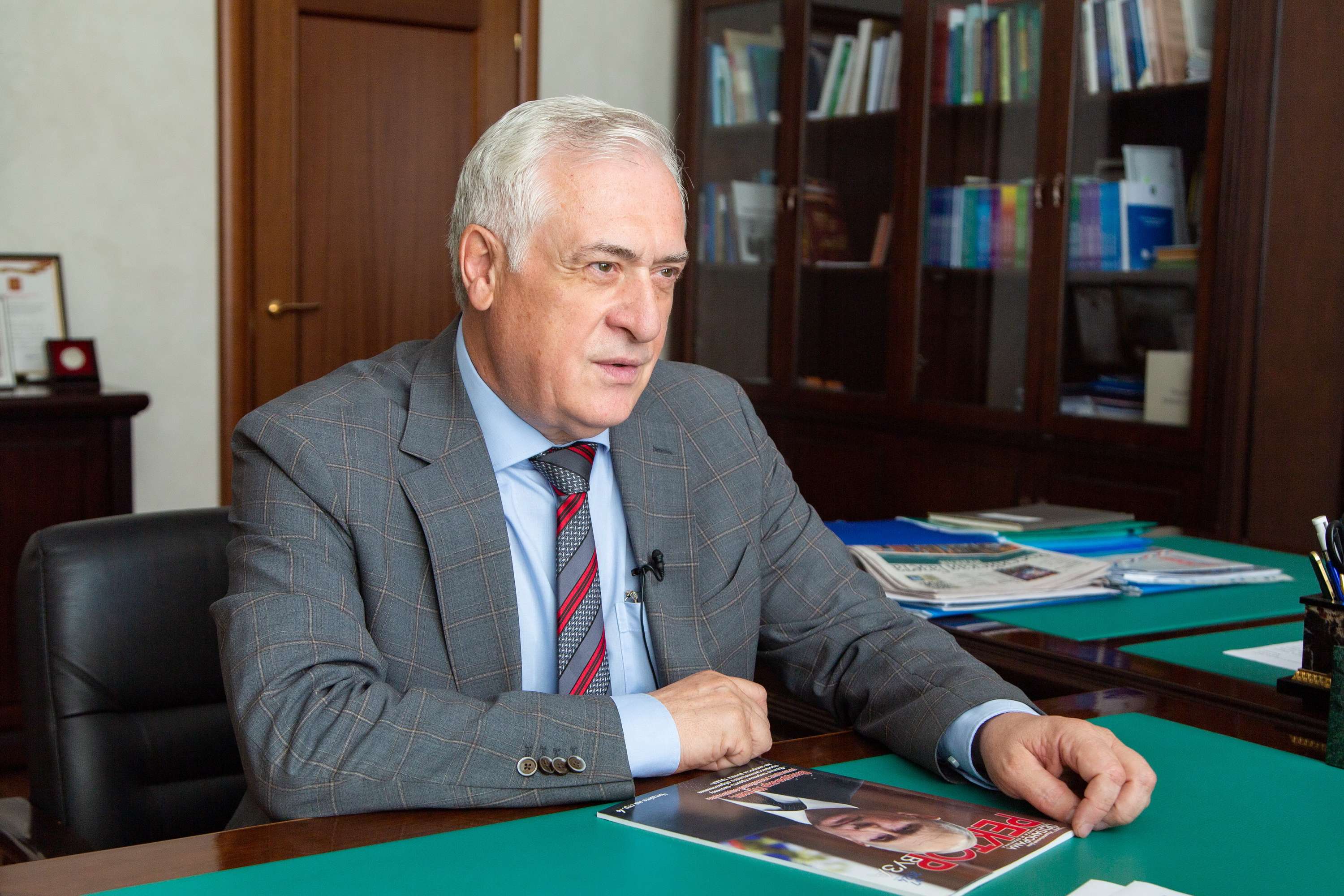
- Mr. Silin, the world is changing rapidly, and new professions are constantly emerging. How does USUE, the only specialized university of economics in the Urals, respond to these challenges? How many first-year students is the university ready to enroll this year?
“We plan to enroll approximately 6,000 students. By early August, our university had already received around 75,000 applications, and the admissions campaign is still ongoing. However, it's not the figures themselves that matter, but who's applying. We have successfully confirmed the university's sustainability and the high demand for our core degree programs.
Ural State University of Economics is the only specialized institution of higher education in economics in the Urals region. The decision to establish institutes of national economy in the 1960s was visionary, as the training of highly qualified economists, logisticians, human resource managers, finance specialists, and auditors remains consistently in demand. Currently, our portfolio includes 83 academic programs. We do not pursue quantity for its own sake — it is preferable to maintain 70 programs, provided they are highly robust.".
This year, we are launching new degree profiles in response to economic demands. At the undergraduate level, we are introducing the 'Applied Artificial Intelligence' profile. Our preparations have been meticulous, as the university is committed to long-term strategic goals. Training such specialists requires substantial time: from curriculum development and licensing to faculty training. Society demands these competencies immediately; however, there are no miracles — this is a marathon that requires endurance.
At the Master’s level, we are launching admissions for the Business Process Management in the Food Industry and International Tourism Management programs for the first time. While traditionally being an institution of national economy, we also maintain a strong technological focus: food technologies and biotechnologies have been integral to our portfolio for many decades. The tourism program is a direct response to the growth of both domestic and international tourism. For three years, we have been cooperating with UMMC to train personnel for their hospitality sector, ensuring that students enter the university with guaranteed employment prospects.
Furthermore, in partnership with the Russian Foreign Trade Academy (RFTA) of the Ministry of Economic Development of the Russian Federation, USUE will begin training specialists in international economics and foreign economic activity. We have become the only university in Russia authorized by RFTA to implement a pilot joint dual-degree Master’s project in the Urals.
At the College level, in partnership with the Multi-Functional Center (MFC) of the Sverdlovsk region, we are launching the Information Systems Operator program. We tailored this curriculum specifically to suit their operational requirements with the MFC team directly reviewing and approving it. As the result, this year, we have announced admission for this program enabling graduates to secure immediate employment within the MFC system.
A total of 366 state-funded places have been allocated. While this figure is limited, we are prepared to admit a significantly larger number of self-funded students. Applicants make a conscious investment in their education, recognizing the high standards of training maintained at USUE.”
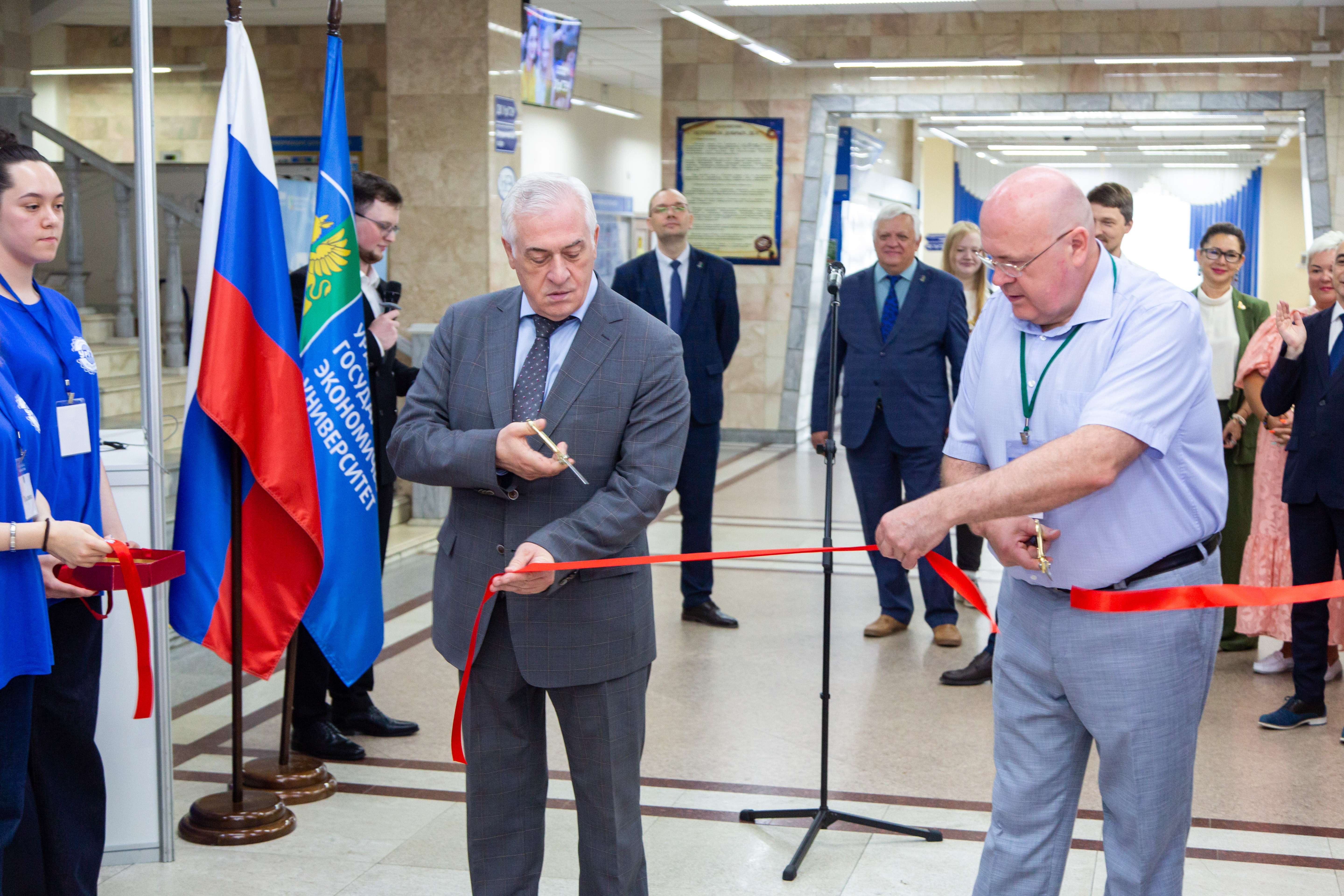
- The admissions campaign is drawing to a close, which is always an important and highly anticipated milestone for the university faculty and staff. Our educators and employees are eager to see the new cohort of students, how they will perform academically, and how they will engage with the university's educational environment. As the head of the institution, what does the admissions process mean to you personally?
“First and foremost, it represents a profound responsibility and a demonstration of trust. It is vital that our university attracts talented, highly motivated, and competent applicants who strive for exceptional achievements in life. Families entrust us with their most valuable asset — the future of their children.
In a sense, a university functions like an enterprise producing high-caliber specialists, yet with a scope of responsibility extending at least 50 years into the future. We must establish a foundation that allows our graduates both to launch their careers with confidence and to remain competitive throughout their professional lives. This extends beyond specific skills relevant today; the labor market will change completely in 10, 20, or 30 years, and certain professions will either transform or disappear entirely. Therefore, a true foundation comprises systemic thinking, the capacity for lifelong learning, and the ability to discern connections across economics, technology, and society. This encompasses the skill to manage ambiguity and rapidly acquire new knowledge — attributes that remain timeless for decades.
To achieve this, it is essential to create optimal conditions: updating academic programs, implementing new formats, engaging active industry practitioners in the educational process, advancing campus infrastructure, and providing comfortable student housing. Consequently, contemporary students will feel reassured that choosing this university was the correct decision.”
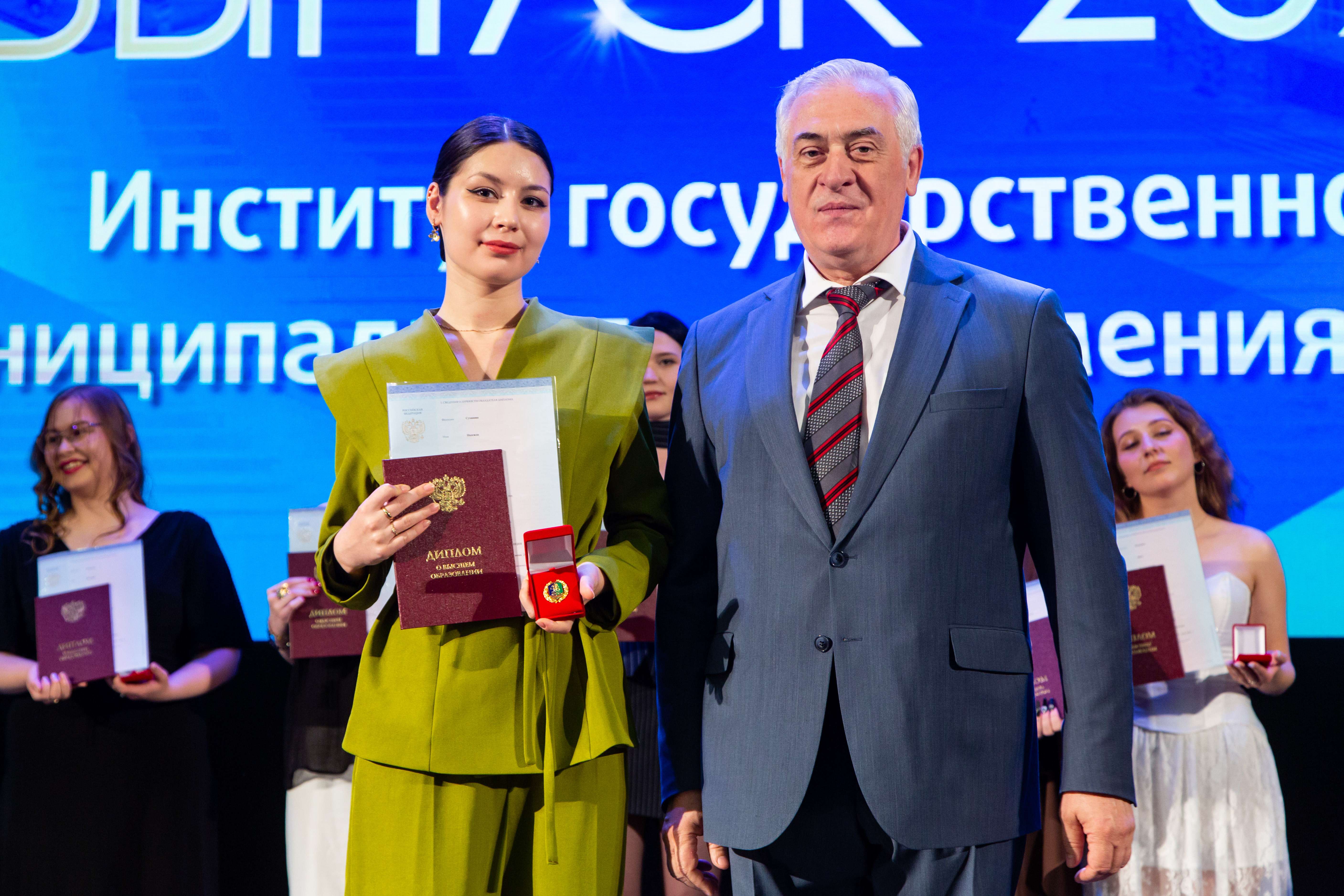
- As of September 1, 2026, Russia will begin transitioning to a new system of higher education, replacing Bachelor’s and Master’s degrees with basic and specialized higher education. What is your perspective on this initiative? In your opinion, how will this reform impact the quality of education and the opportunities available to students?
“This is a mandate issued by the government. The upcoming reform indicates that the current system, despite its merits, no longer meets the requirements of global competition. We cannot rely on external entities to train highly qualified specialists for us. We must strengthen the educational system internally.
Currently, 17 pilot universities are testing the new standards. We are actively preparing for the transition: we have developed a roadmap, analyzed best practices, and designed specific mechanisms for various educational levels. Our strategic objective is not merely to adapt to these changes, but to actively shape the future of the university while strengthening its profile and competitive advantages.
Most importantly, current students have no reason for concern. They will continue their studies under the specific programs to which they were admitted. This also applies to the 2026 intake of applicants. Their diplomas will remain fully valid and hold equal legal and professional standing to the newly formatted higher education credentials.”
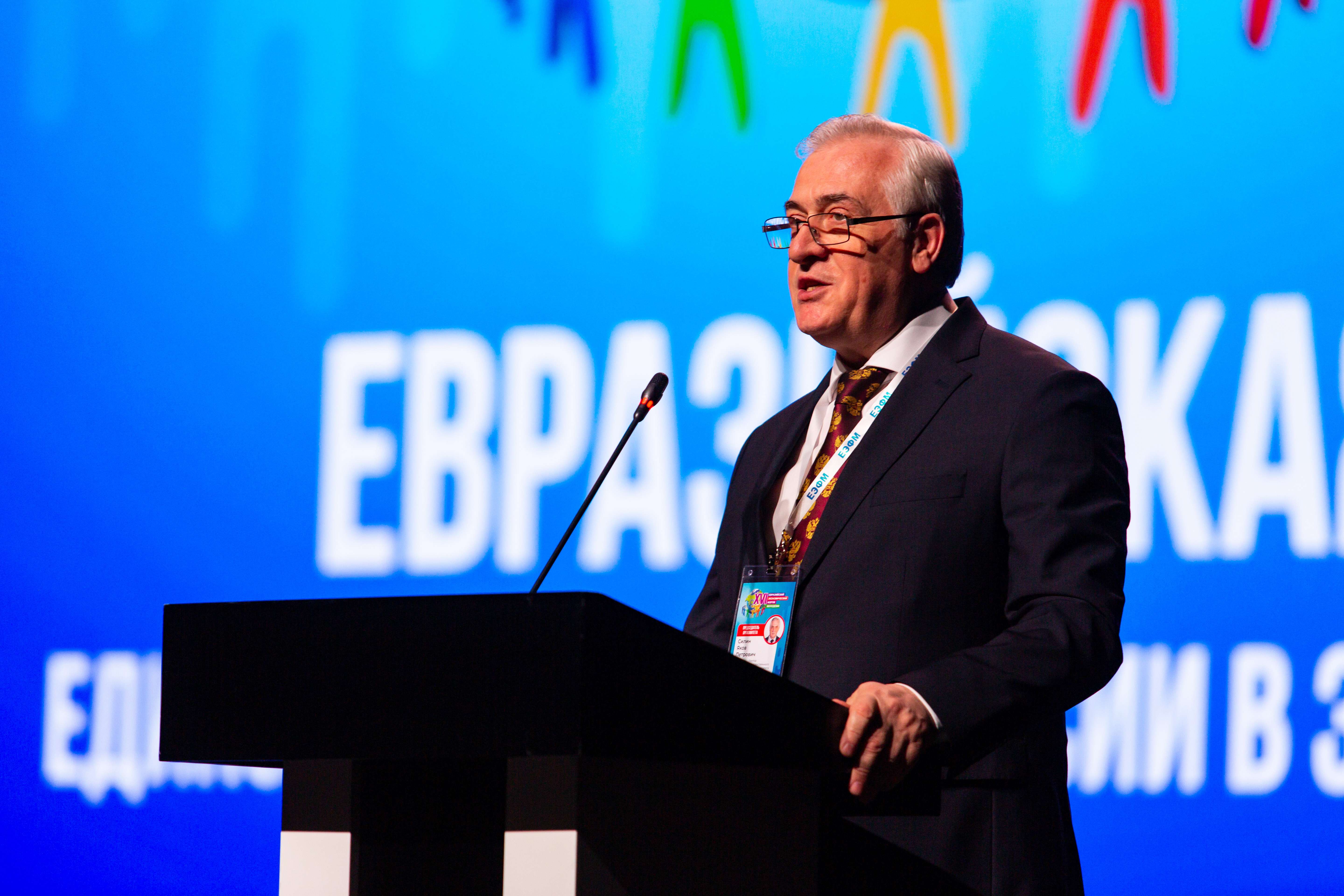
- USUE consistently ranks among the top universities in Yekaterinburg for graduate employment, with approximately 95% of alumni securing jobs in their field within the first six months after graduation. What specific mechanisms enable the university to maintain this high standard?
“Our university is deeply integrated into the regional economy, maintaining over 80 active cooperation agreements with enterprises. However, our partners do not merely provide internship placements; they are fully fledged participants in the educational process. They chair state examination boards, serve as experts in academic competitions, adapt curricula to current market demands, and actively participate in career forums and job fairs. I must emphasize that currently, 15 to 20 percent of our faculty consists of active practitioners from the real economy. Preparing highly sought-after specialists is only possible through robust collaboration with industry.
Besides, we consistently encourage students to engage in early professional integration, advising them to consider employment prospects as early as their sophomore year. By their junior or senior year, the majority of students successfully balance work and studies, accumulating a substantial portfolio of practical skills.
This comprehensive approach enables the university to maintain its high positioning in graduate employment rankings and ensures competitive salaries for our alumni. We consistently monitor the career trajectories of our Bachelor’s and Master’s graduates, and statistics definitively prove the strong demand for the education provided by USUE.”
- USUE places significant emphasis on international activity. The university hosts a diverse student body representing 69 countries. What specific opportunities and programs does the university offer to international students?
“We offer the opportunity to receive a high-quality education in the heart of Russia's most robust industrial region. The fact that we are located outside of Moscow and Saint Petersburg is our distinct advantage. Currently, our institution hosts nearly 4,000 international students.
A vital role is played by our Preparatory Faculty, which is one of the largest in the Urals and has been operating for 12 years. Students acquire the Russian language from scratch, study core academic disciplines, and immerse themselves in the local cultural environment. Upon receiving their certificates, they are eligible to apply to any university in Russia; however, the vast majority choose to continue their studies at USUE. If the quality of our education were not competitive, we would not attract thousands of students from around the world.
Furthermore, we have already established Russian Language Centers in Egypt and Sri Lanka, and are currently in negotiations with higher education institutions in China and India. For international students, proficiency in the Russian language is becoming as significant a competitive advantage in the global labor market as English proficiency is for domestic specialists.
The university serves as a platform for cross-cultural exchange, providing opportunities to develop communication skills and intercultural competencies. Students from diverse linguistic backgrounds share the traditions of their respective countries, learn to operate within international teams, and cultivate a global mindset. These attributes will prove essential in their future lives and careers.”
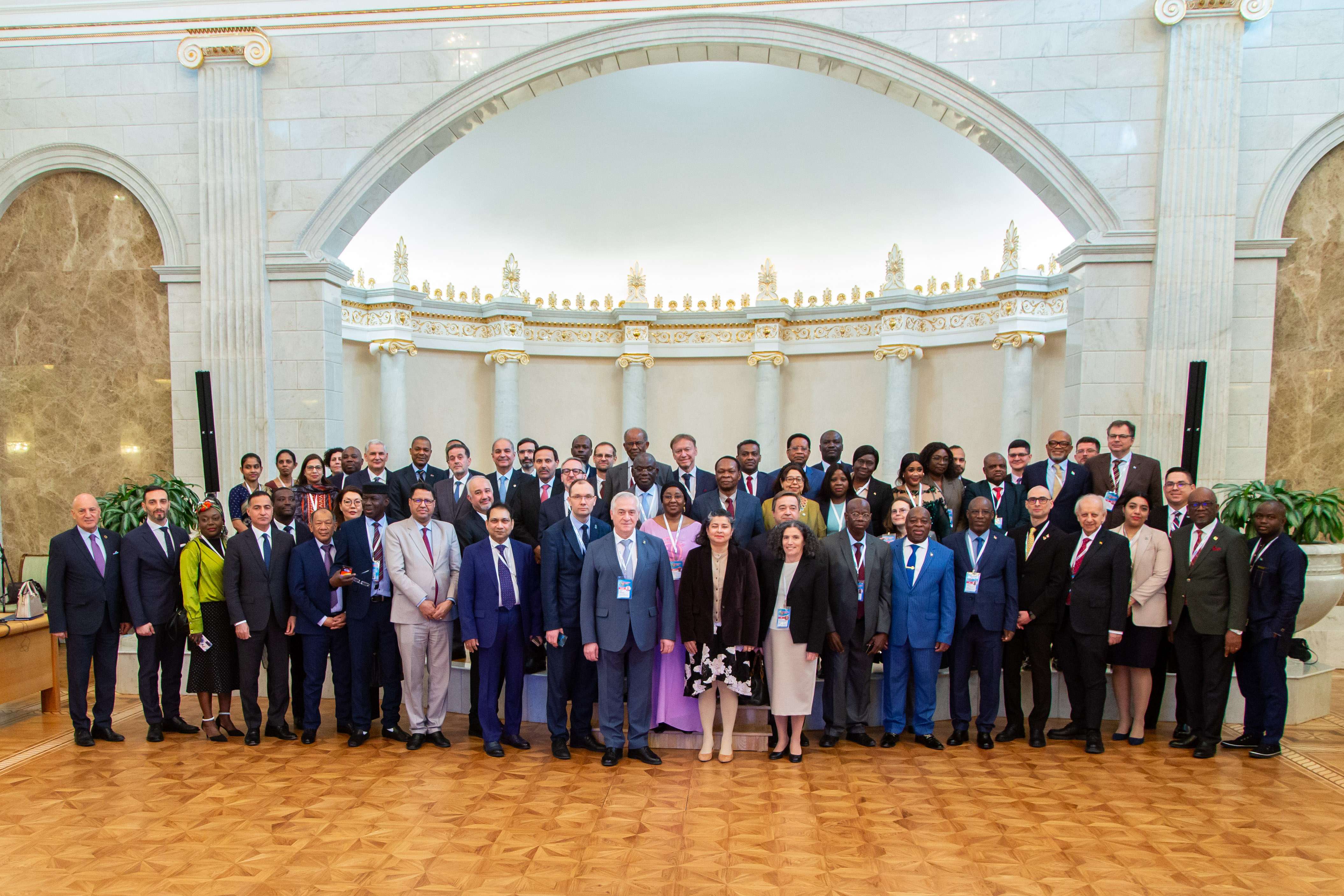
- The Eurasian Economic Youth Forum (EEYF) has long become a cornerstone of the university's international agenda, extending far beyond the borders of the Urals and Russia to establish itself firmly within regional and international event schedules. Could you please share the key topics and economic challenges that were addressed during the 16th EEYF? Furthermore, what are the strategic plans for expanding and developing the forum for the upcoming 17th EEYF?
“EEYF has long surpassed the scale of a conventional youth science conference, evolving into a significant vehicle for enhancing the international prestige of Russian higher education. The theme for this year's forum was Ethnic Unity of Russia in the Era of Global Change. The concept of national unity is intrinsically relevant worldwide, and the resolution of this issue fundamentally dictates the future, stability, and development of our multinational country. Within the framework of the forum, we focused on the synergistic effect: by uniting diverse populations, we drive forward the national economy, industry, social sphere, science, and education.
The scale of this year's forum is highly impressive. The 16th EEYF brought together participants from 87 Russian regions and 117 countries. We hosted delegations from 217 universities across Russia, the CIS, and non-CIS nations. The events were attended by 92 representatives of diplomatic missions, with 31 states represented at the ambassadorial level. We organized 42 competitions, and participants submitted 15,828 projects for expert evaluation. To put this into perspective, nearly 16,000 young people are actively contemplating the future and proposing their strategic ideas. Notably, this year we intentionally reduced the number of competitions by one-third compared to the previous year, yet we received an even higher percentage of project submissions.
Traditionally, the core research papers of the Eurasian Economic Youth Forum are published in a three-volume collection, preserving them for history and demonstrating respect for the participants. Over sixteen forums, this has evolved into a comprehensive chronicle, capturing the names of attendees, key issues, and central themes of discussion. These events have become an integral part of our institutional history.
The exact scale and thematic focus of the 17th EEYF remain subject to further analysis. It is critical to understand the objectives to be set at the federal level and to assess how the international situation will unfold. As a state university, the implementation of state policy remains one of our primary missions. In an era when our country faces unprecedented challenges, our duty is to cultivate builders of the future. Our motto is 'We are different, yet not strangers.' We instill tolerance, respect for traditions, and the ability to operate within international teams. Personal development, as is widely recognized, is more vital than mere instruction. While factual knowledge can be acquired through short courses, true development is forged exclusively within the university environment. I am confident that we will continue to remain relevant and in demand. We aspire for the forum to persist as a platform where the future of Russia is shaped, for the future undeniably belongs to education and science.”


