



 See other releases of corporate mass media
“First and foremost, a university provides support”
Modern universities have long ceased to be places where students solely acquire knowledge. Today, they are becoming drivers of development for entire regions, aiming to raise students as socially responsible individuals and patriots. Roman Krasnov, vice-rector for social work and youth policy at USUE, oversees one of the most dynamic areas of the university. Read this exclusive interview to learn about youth upbringing, international outreach, and the main event of the year — the Eurasian Economic Youth Forum.
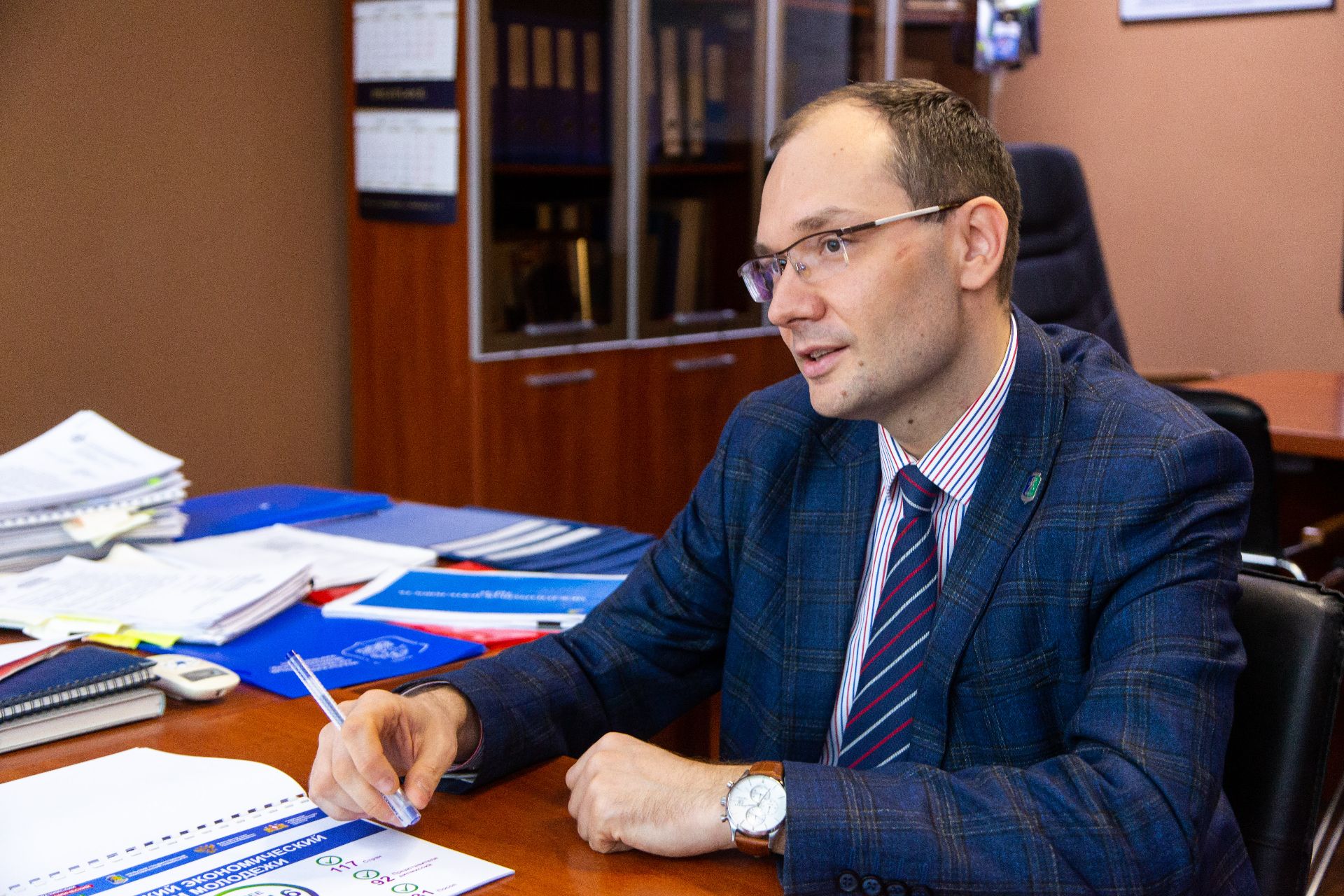
— Roman Valeryevich, for 11 years now, you have been leading several key areas at USUE, including such a complex and responsible portfolio as social work and youth policy. What does this work mean to you?
— There is a great quote by the prominent Soviet educator Anton Makarenko: "Our children are our old age. Proper upbringing is our happy old age; poor upbringing is our future grief, our tears, our guilt toward other people, toward the entire country." Can we, as educators and university representatives, say this today? Of course, we can. For us, "children" are our students who are taking their first steps into independent life. Eleven years of work have shown that we are responsible not only for the quality of knowledge they acquire, but also for what kind of people our graduates become when they leave the university, and how consciously and responsibly they build their future lives. Parents entrust us with what is most precious to them — their child's future. And this responsibility to the family and to each student is simultaneously a responsibility to the country. We understand this very well and strive to justify the trust reposed in us.
— So, the university's task is not only to teach and provide a profession, but also to shape a strong personality?
— Undoubtedly. First and foremost, a university provides support. Here, students can realize their potential as researchers, athletes, artists, and as patriots. USUE provides every opportunity for this. Look into the university halls and classrooms in the evening: some are preparing for the Univision or Starteen contests, some - for sports competitions, and others - for a scientific presentation. A person who, during their years of study, has tried their hand at being an organizer, a team captain, and a project author graduates as a completely different individual. They are no longer what they were in their first year. Over these years, they have learned the most important thing — not to be afraid of responsibility. They understand that the success of a common cause depends on their decisions; they know how to lead and support others; they are able to defend their ideas, and are sure they have the power to bring them to life. All of these are not separate skills but parts of a single inner framework — the very same support. Such a graduate enters life not empty-handed and not fearing the unknown, but with self-confidence and the understanding that they are capable of solving complex problems. You can always "catch up" on professional skills later, whereas your inner core is forged here and now.
— USUE ranks among the top 5 universities in Russia for extracurricular and character education. Tell us, how are these activities and the university's social policy structured?
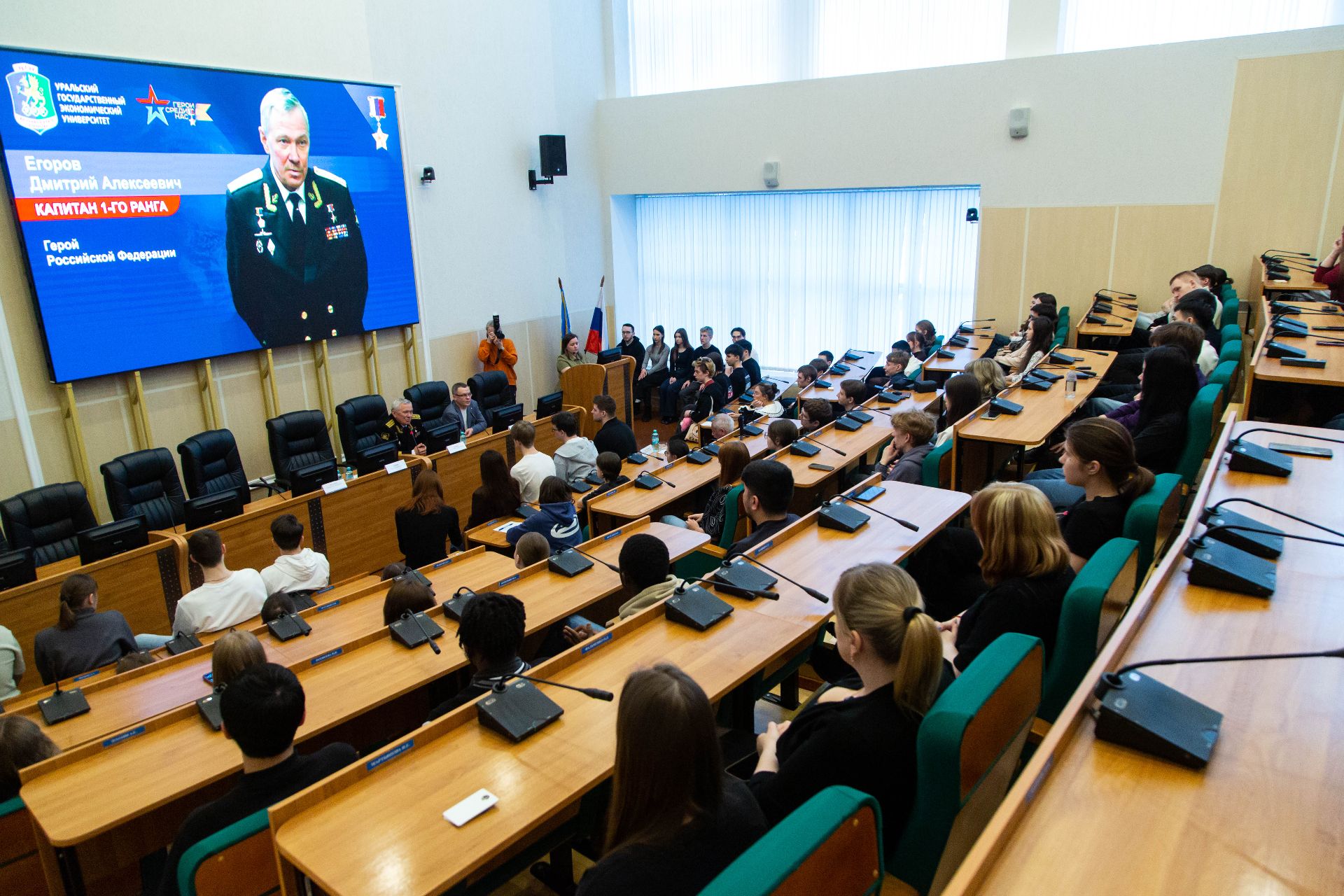
— Social policy is a priority for both the state and our university. We provide systematic support to students with disabilities, combat veterans, participants in the special military operation, orphaned students, and young families. We do not take a formal approach to this work; we maintain a constant dialogue with each of these students, knowing what is going on in their lives and what difficulties they face. We have recently opened a mother-and-child room. It may seem like a small space, yet it means so much to a female student balancing her studies and motherhood!
However, social policy is not just targeted assistance; it is also about creating a vibrant environment for growth where everyone can fulfill their potential. We don't just organize events — we involve the students as much as possible in their preparation and running. From their very first year, students are immersed in this environment not as passive spectators, but as active participants who can try themselves in a new capacity each year. The “Victory Waltz,” “DOSAAF Day”, and “Heroes Among Us” projects, patriotic campaigns, and “University Sessions” are just a small part of what we hold. Behind each of these events is the hard work of our students: some help with the organization, some lead projects, and others volunteer or simply support their peers. In my opinion, it is precisely this involvement and active participation of young people in university life that plays the key educational role. When a young person has not only defended a complex research project during their studies, but also danced the Victory Waltz, supported a fellow student with a child, and become a reliable volunteer, there is no longer any need to "mold" them. They have learned on their own how to empathize, take responsibility, and act. They have matured into well-rounded, civically engaged individuals.
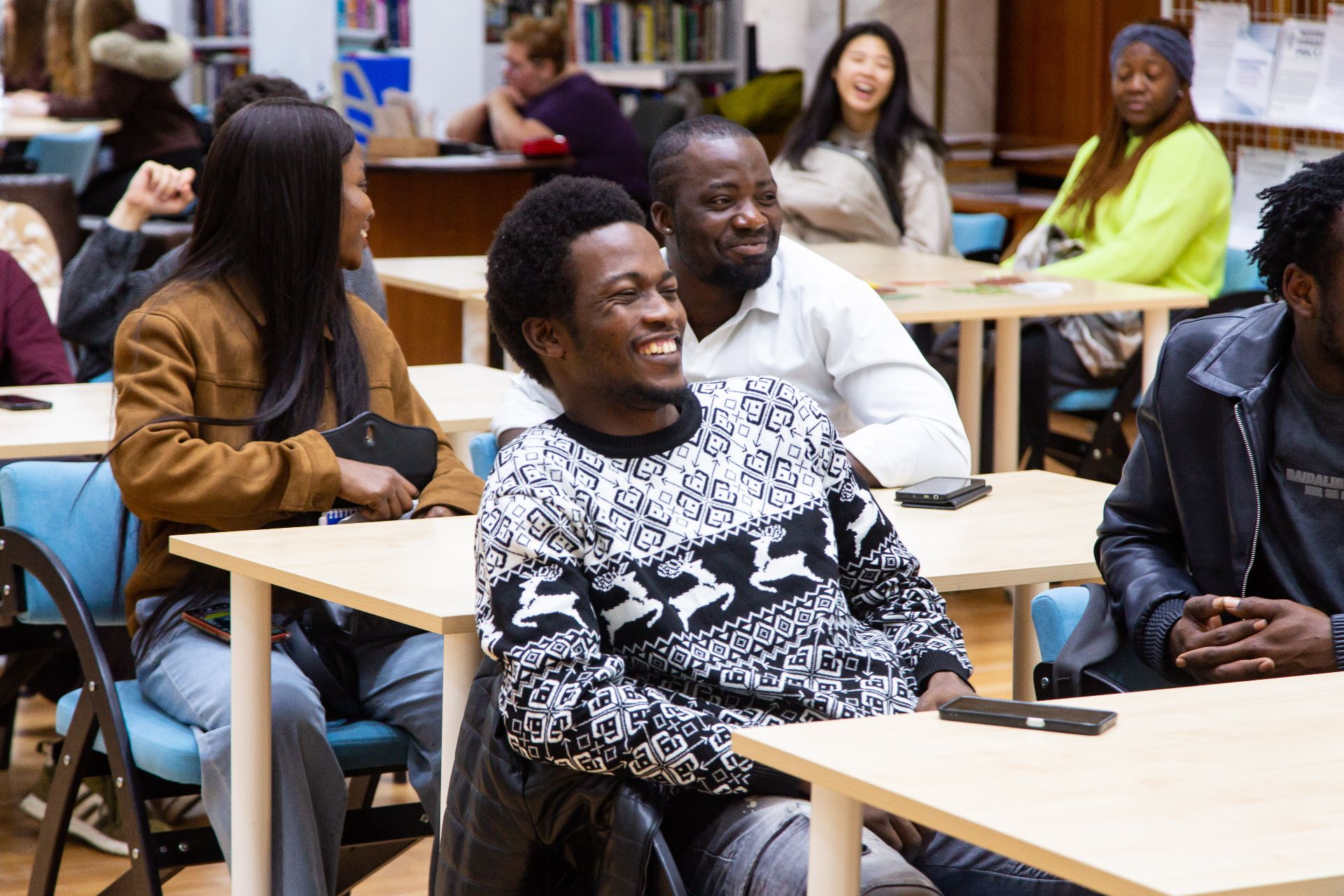
— USUE is renowned for its active international engagement. Students from 71 countries study at the university — a significant achievement for a regional institution. A third Russian Language Center abroad has already been opened. Why is this area so important?
— The President of Russia has set a goal: by 2030, at least 500,000 international students should be studying at Russian universities. We are consistently fulfilling these federal directives. And if students from 71 countries choose our university specifically, it means we are known in the most remote corners of the world. This enhances the prestige of both the university and the country as a whole. This year, students from Brazil, Venezuela, Iran, Myanmar, and Burkina Faso have joined us. And the fact that young people come to us eager to receive specifically a Russian education cannot but delight us!
I would like to speak separately about the Russian Language Centers. We have already opened them in three countries — Egypt, Sri Lanka, and, this year, China. The mission of these centers goes far beyond merely teaching the language. It is about promoting the Russian language and building a long-term framework for cooperation with foreign partners and countries. First, a person studies the language and gets acquainted with our culture and traditions; then, they come to us for higher education, followed by postgraduate studies and joint research projects. And tomorrow, they become our partner who not only speaks Russian, but truly understands Russia. In my view, this is one of the most strategically important areas our university is pursuing.
— What does the EEYF mean to you?
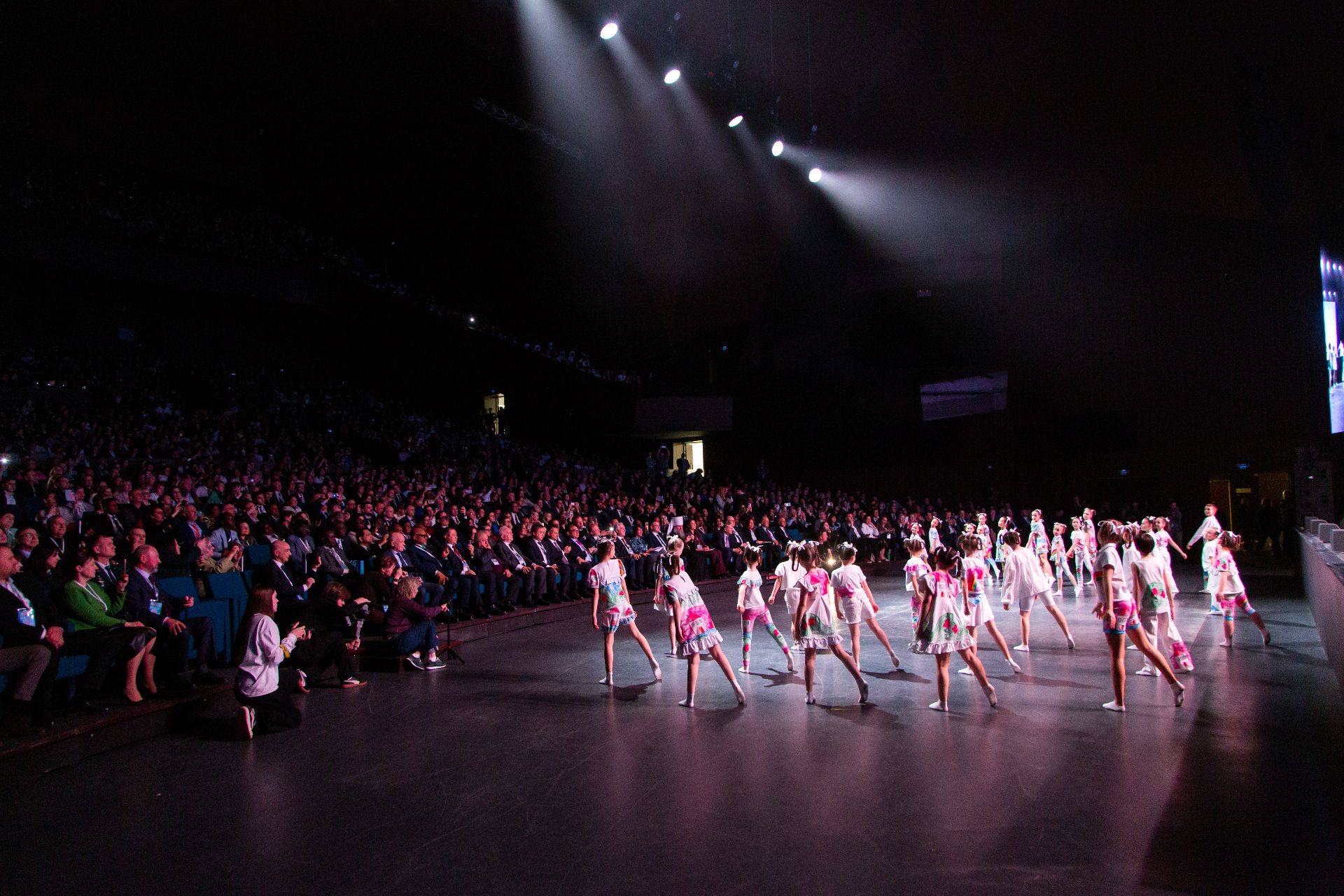
— The Eurasian Economic Youth Forum has become a unique platform for dialogue where young people from around the world formulate and propose their ideas. The 16th EEYF, held this year, became the largest in its entire history. Over 24,000 persons from 117 countries took part in it. Delegations from 217 universities across Russia, the CIS, and non-CIS countries arrived in Yekaterinburg. Ninety-two representatives of diplomatic missions participated in the forum with 31 states represented at the ambassadorial level. In total, 42 competitions were held, and 15,828 entries were submitted. Accumulated experience shows that here in the Urals, EEYF participants can not only voice their ideas, but also discuss them, turn them into real projects, and build long-term, effective connections. Our forum is dedicated to bringing people together and laying the groundwork for a shared future.

Photo gallery:


